
When you pick up a generic pill, you might wonder: does it really work the same as the brand name? The answer lies in bioequivalence, a scientific standard that proves two drug products deliver the same amount of active ingredient at the same rate in the body. Also known as therapeutic equivalence, it’s the reason your pharmacist can swap a brand drug for a cheaper version without risking your health. This isn’t guesswork—it’s measured in clinical studies where blood levels of the drug are tracked over time. If the generic matches the brand within strict FDA limits (usually 80% to 125% of the original), it’s approved. No fluff, no exceptions.
Bioequivalence isn’t just about price. It’s about consistency. For drugs like warfarin, a blood thinner where tiny dose changes can cause bleeding or clots, even small differences in absorption matter. That’s why the FDA requires extra scrutiny for narrow-therapeutic-index drugs. The same logic applies to clozapine, an antipsychotic whose levels shift dramatically with smoking or liver function. If a generic version didn’t meet bioequivalence standards, it could throw off your entire treatment. That’s why pharmacy systems use TE codes—not just NDC codes—to ensure the right substitution happens every time.
What you’ll find in these posts isn’t just theory. You’ll see real examples: how bioequivalence lets patients save hundreds on insulin, why some generic substitutions fail in practice, and how the FDA’s ANDA process catches problems before drugs hit shelves. You’ll also learn how drug shortages force pharmacists to switch brands—and why bioequivalence is the safety net that keeps you protected. This isn’t about chemistry textbooks. It’s about making sure the pill you take today does exactly what the one you took last month did. No surprises. No risks. Just reliable, affordable medicine.
Written by Mark O'Neill
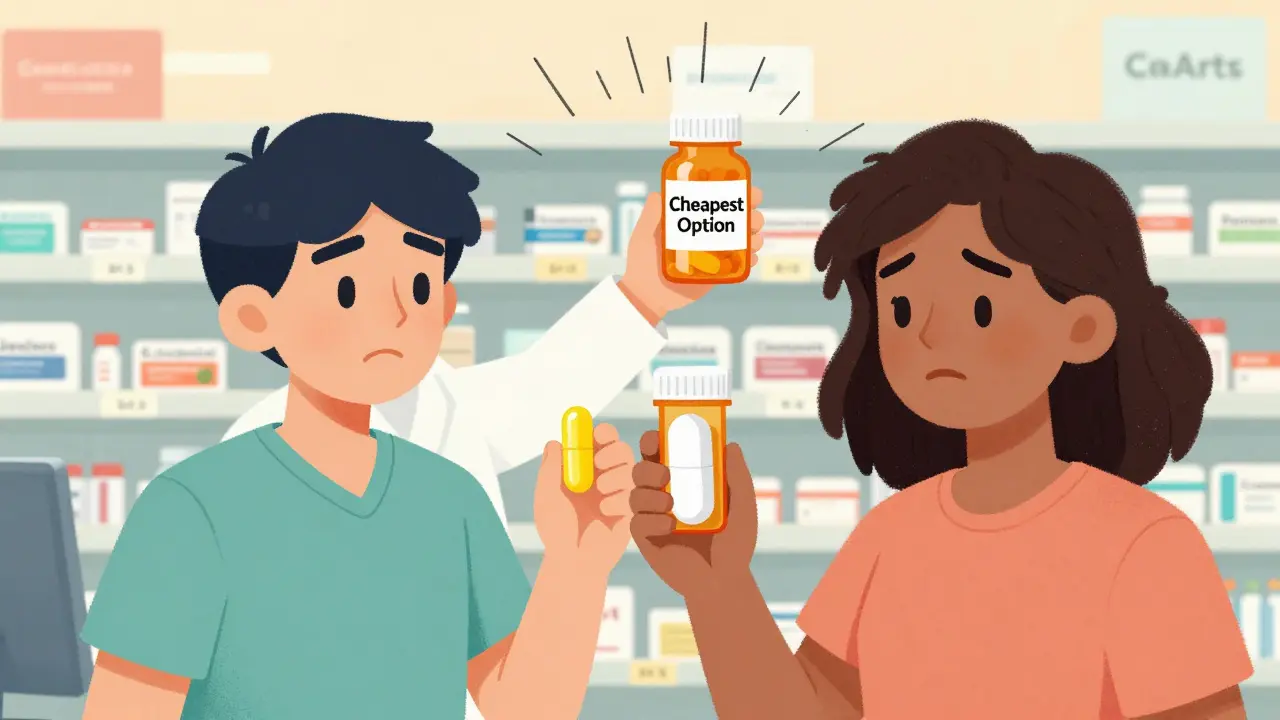
Switching between different generic medications is common but can be risky for certain drugs like thyroid medication or blood thinners. Learn which generics are safe to switch and how to protect yourself from dangerous changes.

Written by Mark O'Neill
Bioequivalence studies must now reflect real-world patients. Learn how age and sex impact generic drug testing, what regulators require, and why balancing male and female participants is no longer optional.