
When you pick up a FDA generics, generic drugs approved by the U.S. Food and Drug Administration that are chemically identical to brand-name medications. Also known as generic medications, they work the same way, have the same side effects, and are held to the same strict standards as their brand-name counterparts. The FDA doesn’t approve them because they’re cheaper—it’s because they’re just as effective. Every generic drug must prove it delivers the same amount of active ingredient into your bloodstream at the same speed as the original. That’s not marketing. That’s science.
Behind every FDA generic is a process called the ANDA process, Abbreviated New Drug Application, the formal pathway generic manufacturers must follow to get approval. It skips the long, expensive animal and human trials that brand-name drugs go through because the active ingredient is already proven safe. Instead, manufacturers focus on proving bioequivalence—meaning your body absorbs and uses the generic exactly like the brand. This is why a 10mg pill of generic lisinopril works the same as the brand version. It’s not a copy. It’s the same medicine, made by a different company.
But not all generics are treated the same. Some drugs, like NTI generics, narrow therapeutic index drugs where small differences in blood levels can cause serious harm, face extra scrutiny. Warfarin, lithium, and certain seizure meds fall into this category. The FDA requires tighter controls for these, because even a 5% difference in absorption could mean the difference between a seizure and a stroke. That’s why you’ll see more detailed labeling and sometimes stricter pharmacy rules for these.
Therapeutic equivalence is another key idea. The FDA assigns each generic a TE code, a two-part code that tells pharmacists whether a generic can be substituted for a brand without risk. If it’s AB1, you can swap it freely. If it’s BX, you shouldn’t. This isn’t random—it’s based on real data from bioequivalence studies, often done with healthy volunteers, but increasingly including older adults, women, and people with kidney or liver issues. That’s because age and sex can change how a drug behaves in your body, and regulators now require that in the data.
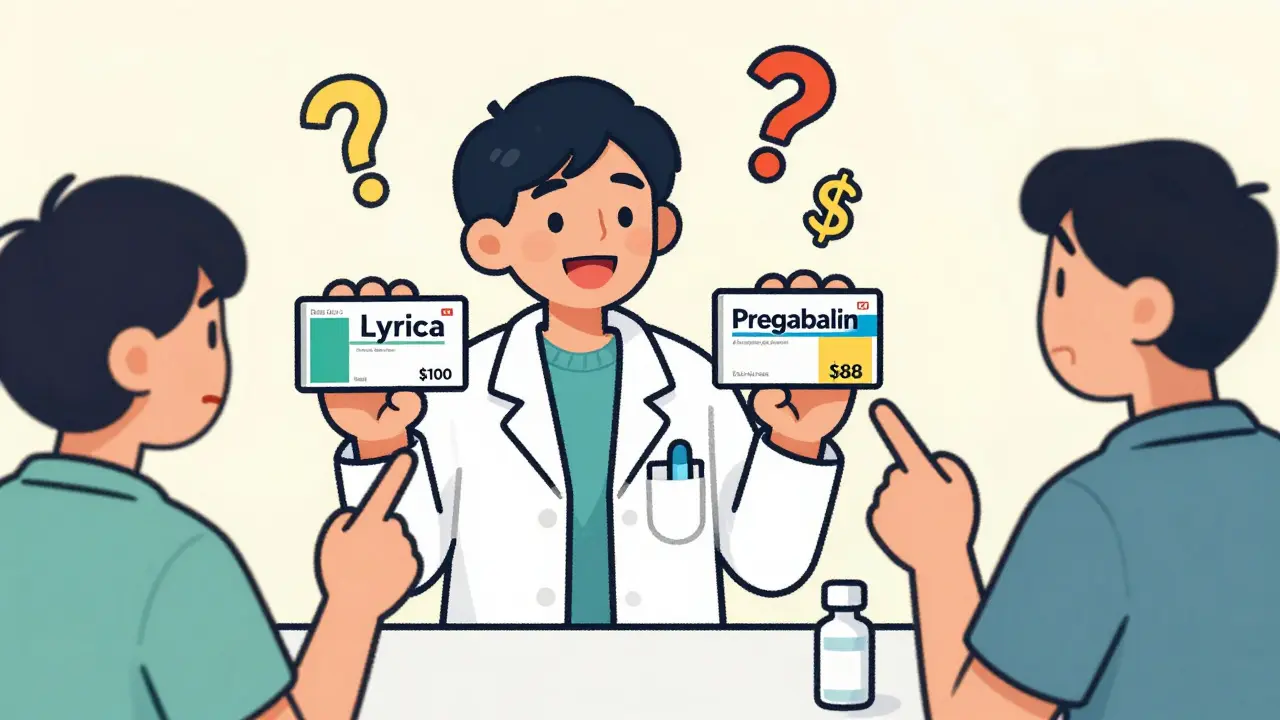
And yes, sometimes your generic costs more than the brand. That’s not a mistake—it’s about rebates. Pharmacy benefit managers (PBMs) get paid more to push certain generics, so your copay might be higher even though the drug is cheaper to make. That’s why understanding your formulary and asking your pharmacist about alternatives can save you hundreds a year.
What you’ll find in the posts below is a clear, no-fluff look at how FDA generics actually work—from how they’re tested, to why some are safer than others, to how to make sure you’re getting the right one. You’ll see real cases where timing, storage, or drug interactions matter. You’ll learn how to read your prescription label, spot substitution errors, and ask the right questions at the pharmacy. This isn’t about theory. It’s about making sure the medicine you take every day does what it’s supposed to—without overpaying or risking your health.
Written by Mark O'Neill
Not all drugs have authorized generics because they're a strategic business tool, not a public health requirement. Learn how they work, why they're limited, and how they affect your prescription costs.
Written by Mark O'Neill
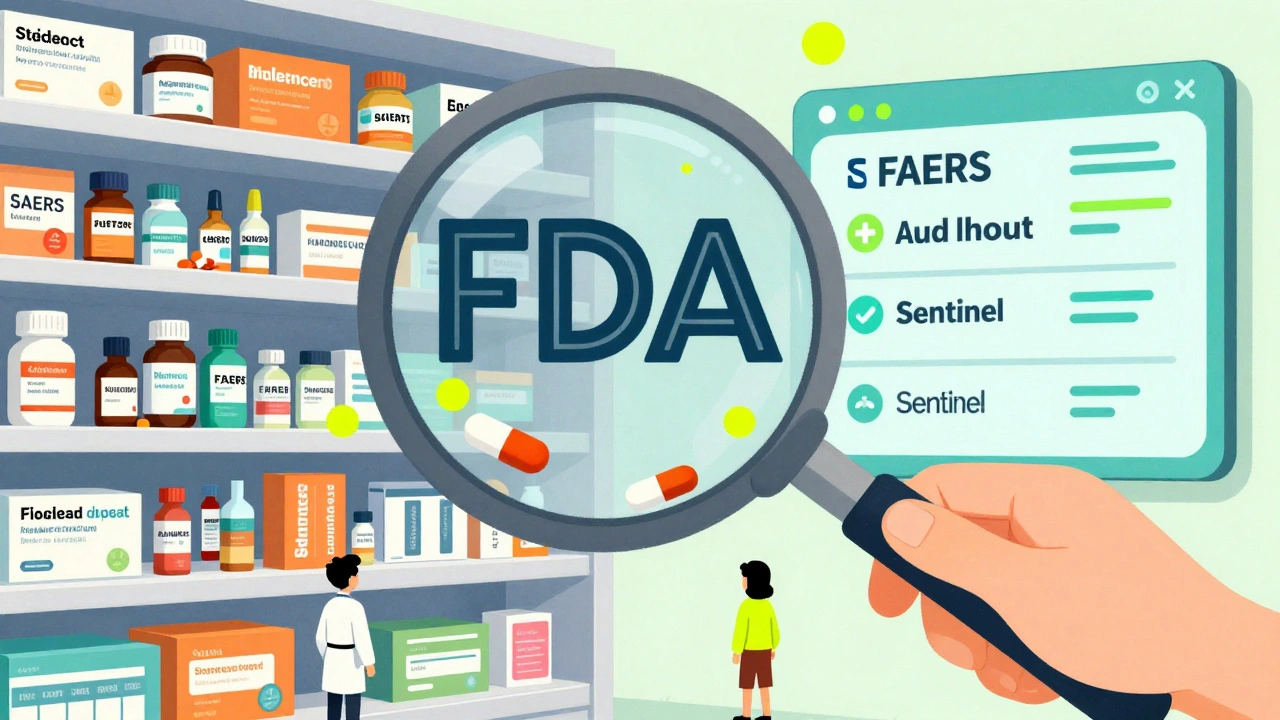
The FDA monitors generic drugs after approval using real-time data, adverse event reports, and factory inspections to ensure ongoing safety. Learn how FAERS, Sentinel, and AI are helping catch hidden risks.