
When you hear therapeutic equivalence, the official determination that two medications produce the same clinical effect and safety profile in patients. Also known as bioequivalence, it’s the reason your pharmacist can swap your brand-name pill for a cheaper generic without asking your doctor again. This isn’t just a paperwork rule—it’s what keeps your treatment working when supply chains break, insurance changes, or prices spike.
Therapeutic equivalence doesn’t mean the pills look the same. It means they deliver the same active ingredient, at the same strength, in the same way, and your body absorbs them just as well. The FDA checks this with real-world data—not just lab tests. For example, if you take a generic version of hydrochlorothiazide, a diuretic used to treat high blood pressure and fluid retention, it must release the same amount of drug into your bloodstream as the brand version. Same goes for sildenafil, the active ingredient in ED meds like Zenegra and Viagra. If it passes, you can switch without worrying about your blood pressure, erection, or blood sugar suddenly acting up.
But therapeutic equivalence isn’t automatic. Some drugs—like clozapine, an antipsychotic with narrow safety margins—are too sensitive to tiny changes in absorption. Even small differences in how a generic is made can cause side effects or make it stop working. That’s why not all generics are listed as equivalent. The FDA’s Orange Book tells you which ones are safe to swap, and your doctor or pharmacist should check it before switching. This matters most when you’re on heart failure medications, like beta-blockers or SGLT2 inhibitors, where even a slight drop in effectiveness can lead to hospitalization.
When drug shortages hit—like with insulin, a life-saving treatment for diabetes—therapeutic equivalence is your safety net. Knowing which generics are approved substitutes means you won’t go without. It’s why you see so many posts here about switching medications during shortages, comparing alternatives, and understanding how to talk to your pharmacy. You’re not just looking for a cheaper pill—you’re looking for a safe one.
And it’s not just about cost. Therapeutic equivalence keeps the system running. Without it, every generic switch would need a new prescription, slowing down care and increasing paperwork for everyone. But it only works if you know what to look for. That’s why we’ve gathered real examples—from how levitra, a brand-name ED drug compares to its generics, to why zovirax, an antiviral for cold sores has multiple equivalent options. You’ll find posts that break down what’s truly interchangeable, what’s not, and how to spot the difference before you take your next pill.
Written by Mark O'Neill
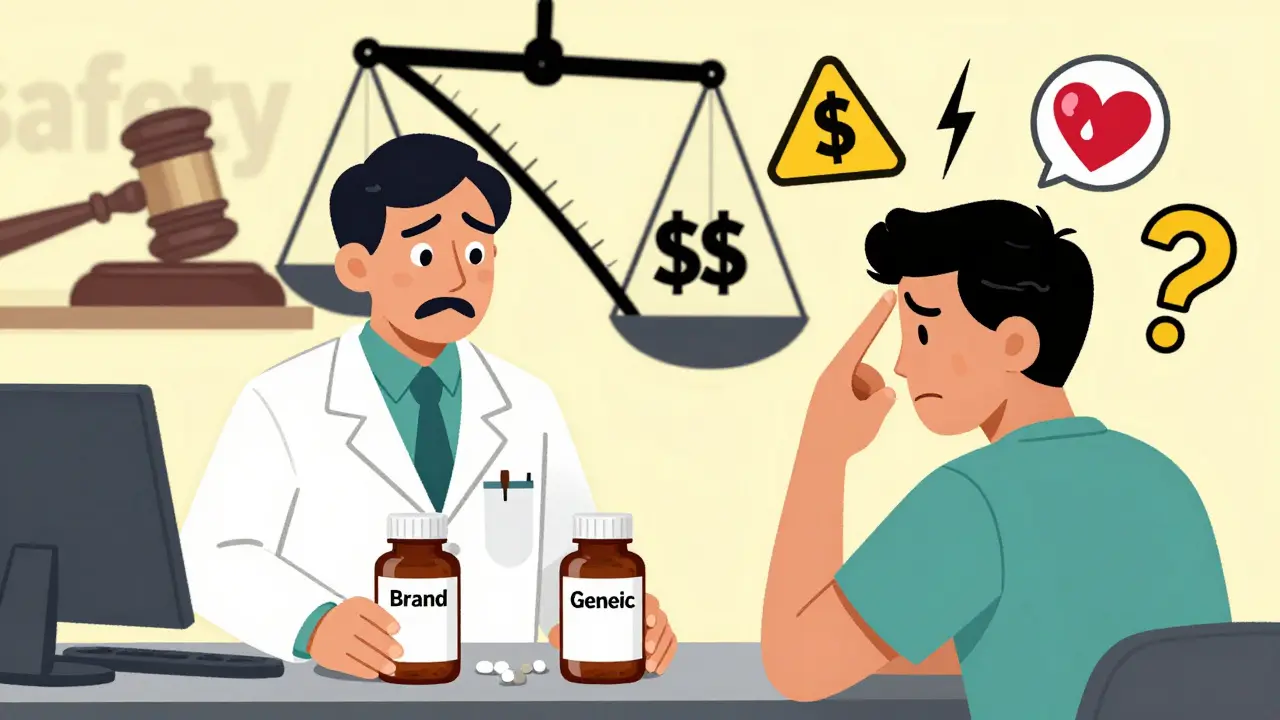
Generic substitution saves money but creates legal risks for pharmacists. Learn how state laws, federal preemption, and narrow therapeutic index drugs affect liability-and what steps you can take to protect yourself and your patients.
Written by Mark O'Neill
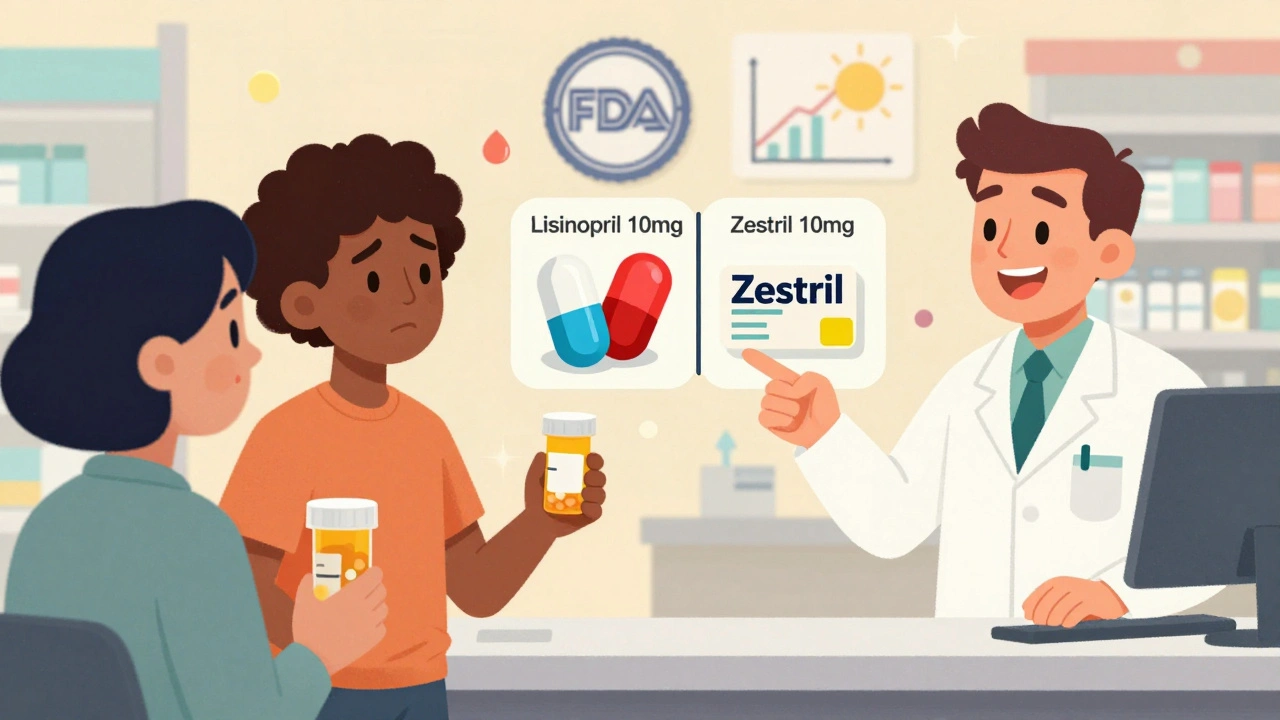
Learn what you need to know when picking up generic medications. Understand therapeutic equivalence, why generics look different, how to spot safe options, and what to ask your pharmacist to ensure your medication works as intended.
Written by Mark O'Neill
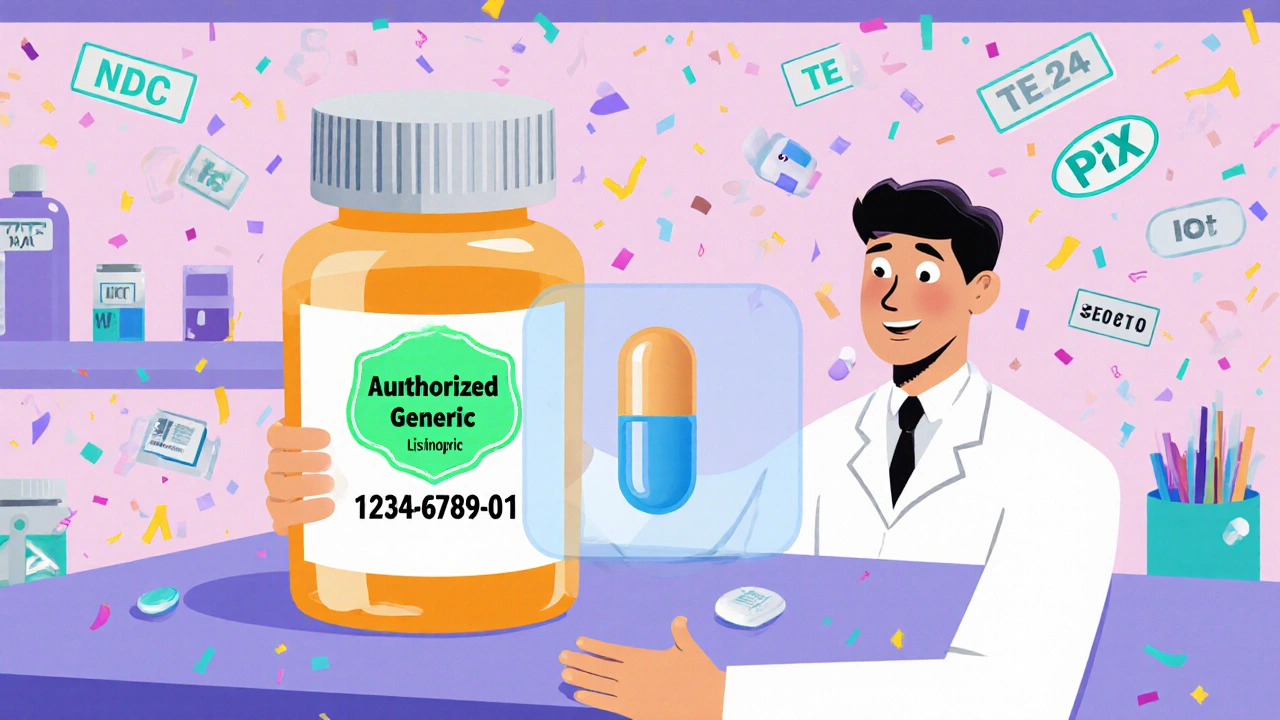
Learn how pharmacy systems correctly identify generic and brand drugs using NDC and TE codes, avoid substitution errors, and ensure patient safety with best practices backed by FDA guidelines and real-world data.