
When it comes to generic drugs, affordable versions of brand-name medications approved by the FDA through the ANDA process. Also known as non-brand medications, they make up over 90% of prescriptions in the U.S. and save patients billions each year without cutting corners on safety or effectiveness. In November 2025, the focus wasn’t just on cost—it was on clarity. How do pharmacy systems tell the difference between brand and generic? Why do some patients get the wrong version? And what happens when a drug shortage hits? These aren’t theoretical questions. They’re daily realities for millions who rely on consistent, accurate medication access.
Behind every pill is a system—and those systems have flaws. Medication safety, the practice of preventing harm from drugs through proper prescribing, dispensing, and reporting. Also known as drug safety, it’s not just for doctors. Your report to FDA MedWatch can stop a dangerous trend before it spreads. That’s why posts this month covered everything from how gabapentinoids and opioids together can cause deadly breathing problems, to how smoking changes your clozapine dose by up to 50%. These aren’t rare edge cases. They’re common interactions that fly under the radar until someone gets hurt.
Then there’s chronic pain, persistent discomfort lasting more than 12 weeks that doesn’t respond to standard treatments. Also known as long-term pain, it affects more people than diabetes and heart disease combined. This month’s articles didn’t just list drugs—they showed how physical therapy, nerve blocks, and radiofrequency ablation work together. One post broke down why simply popping pills won’t fix back pain. Another explained how RFA can give relief for over a year without surgery. These aren’t magic fixes. They’re tools, and knowing which one fits your life matters.
And you can’t talk about long-term health without talking about kidney dialysis, life-sustaining treatment for end-stage kidney disease that filters waste from the blood. Also known as renal replacement therapy, it’s not one-size-fits-all. Hemodialysis needs a machine and a clinic schedule. Peritoneal dialysis lets you do it at home. But which one gives you more freedom? More energy? Fewer infections? The answers aren’t in brochures—they’re in real patient outcomes, and we laid them out plainly.
What ties all this together? Control. Control over your breathing when you have sinusitis. Control over your blood sugar when insulin storage goes wrong. Control over your pain without opioids. Control over your health when drug shortages hit. November’s posts weren’t about fear. They were about giving you the facts to take back that control—whether you’re managing asthma triggered by pollen, spotting early liver failure, or just trying to figure out if your generic pill is truly the same as the brand.
Below you’ll find 20 detailed, no-fluff guides written for people who need answers—not jargon. From how to report a bad side effect in five minutes, to why American chestnut is showing up in wellness supplements, to how Barrett’s esophagus can be stopped before it turns cancerous—this collection cuts through the noise. What you find here isn’t opinion. It’s what works, what doesn’t, and what you need to know before your next doctor visit.
Written by Mark O'Neill
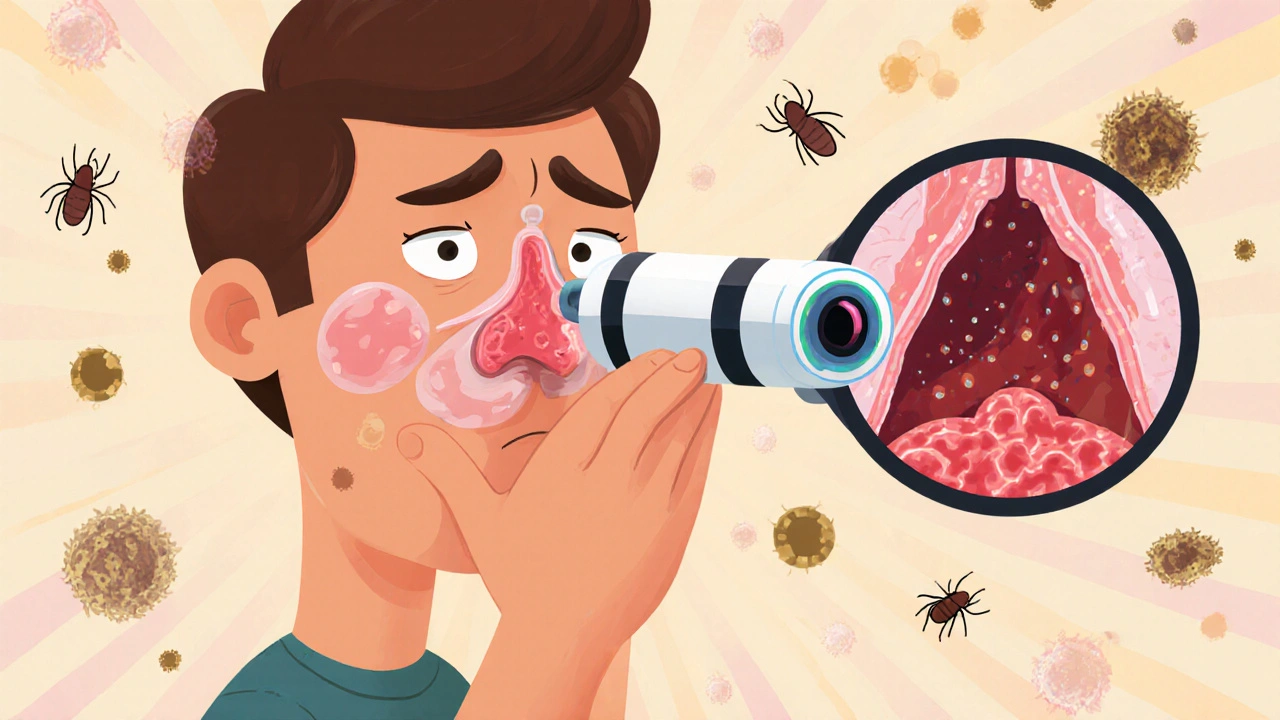
Chronic sinusitis lasts over 12 weeks and isn't just a bad cold. Learn how allergies, infections, and surgery affect your breathing-and what actually works to manage it long-term.
Written by Mark O'Neill
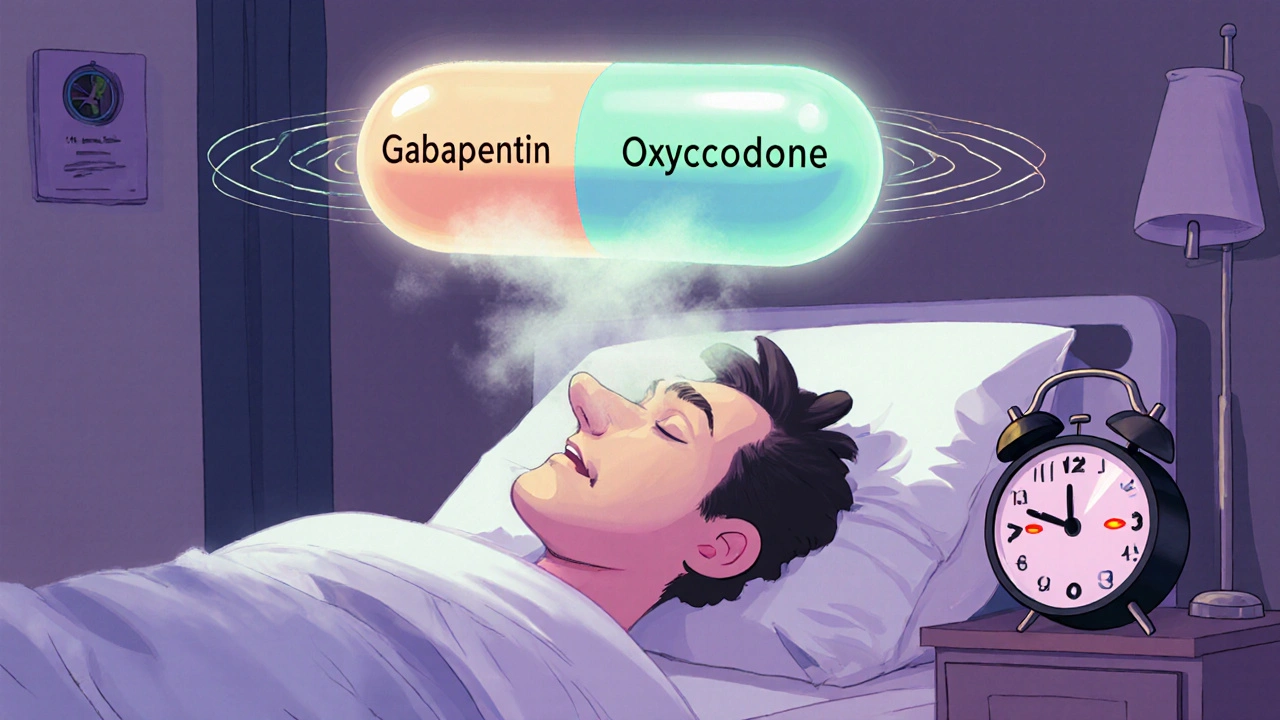
Gabapentinoids like gabapentin and pregabalin can cause dangerous respiratory depression when combined with opioids. This interaction increases overdose risk by up to 98%, especially in older adults and those with kidney or lung disease.
Written by Mark O'Neill
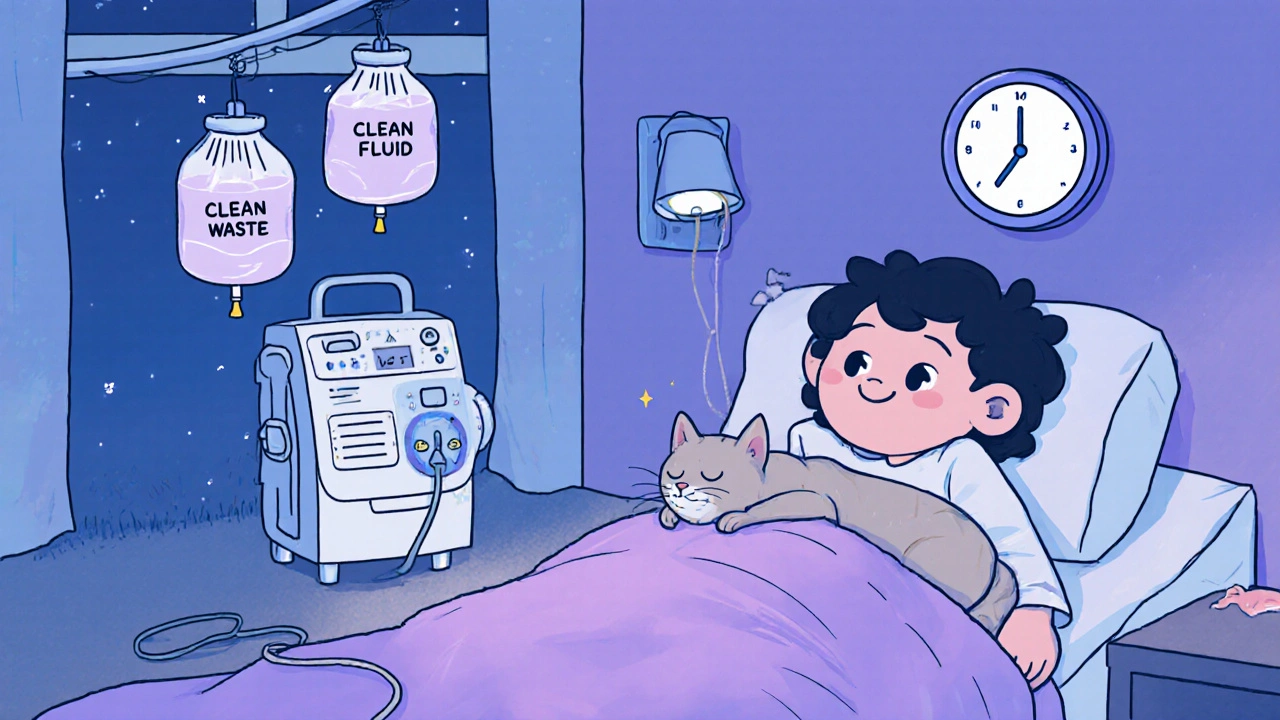
Learn how hemodialysis and peritoneal dialysis work, their pros and cons, and which one may be right for you based on lifestyle, health, and long-term outcomes. No fluff, just clear facts.
Written by Mark O'Neill
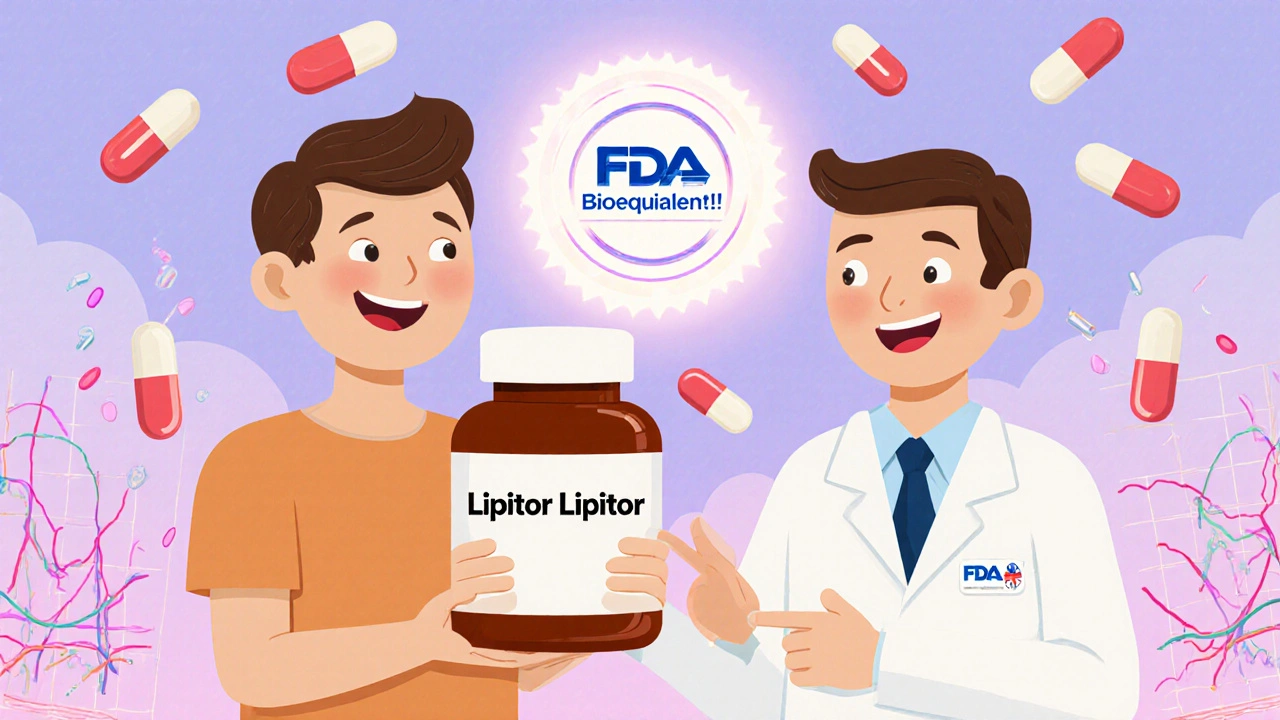
Learn how the FDA approves generic drugs, why they're safe and effective, and how they save patients money without sacrificing quality. A clear, patient-friendly guide to understanding generic medication approval.
Written by Mark O'Neill
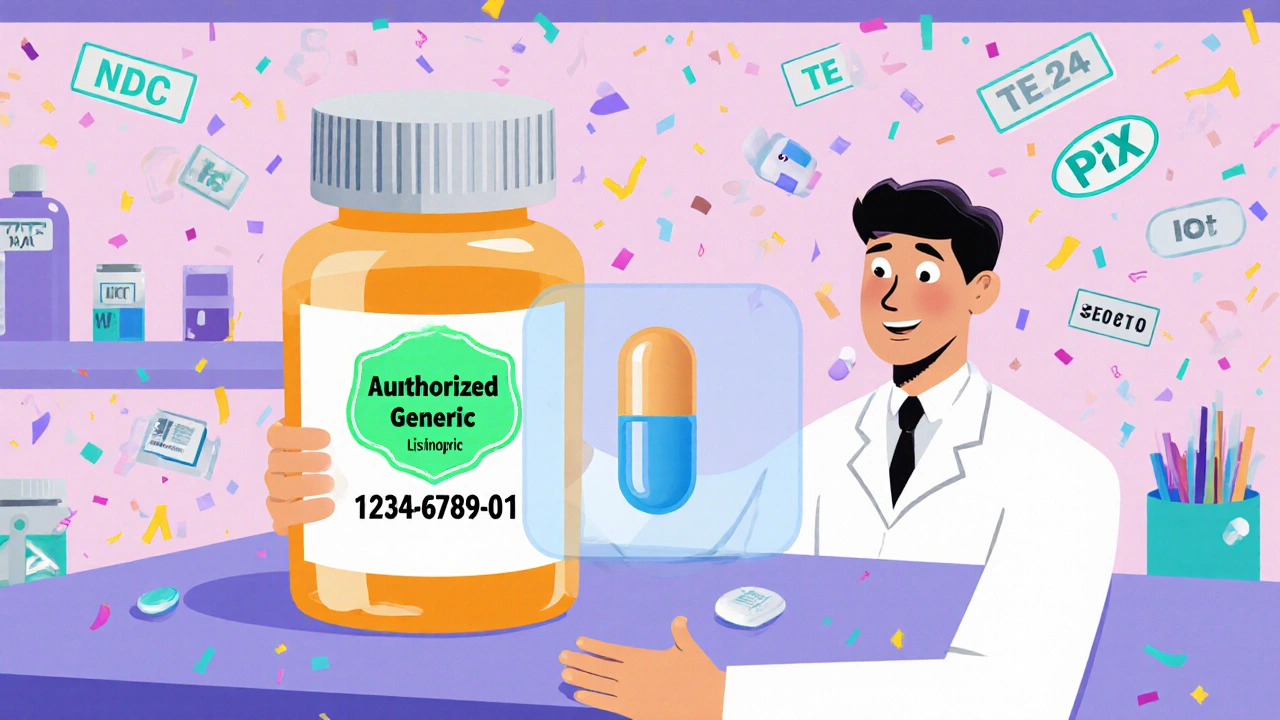
Learn how pharmacy systems correctly identify generic and brand drugs using NDC and TE codes, avoid substitution errors, and ensure patient safety with best practices backed by FDA guidelines and real-world data.
Written by Mark O'Neill
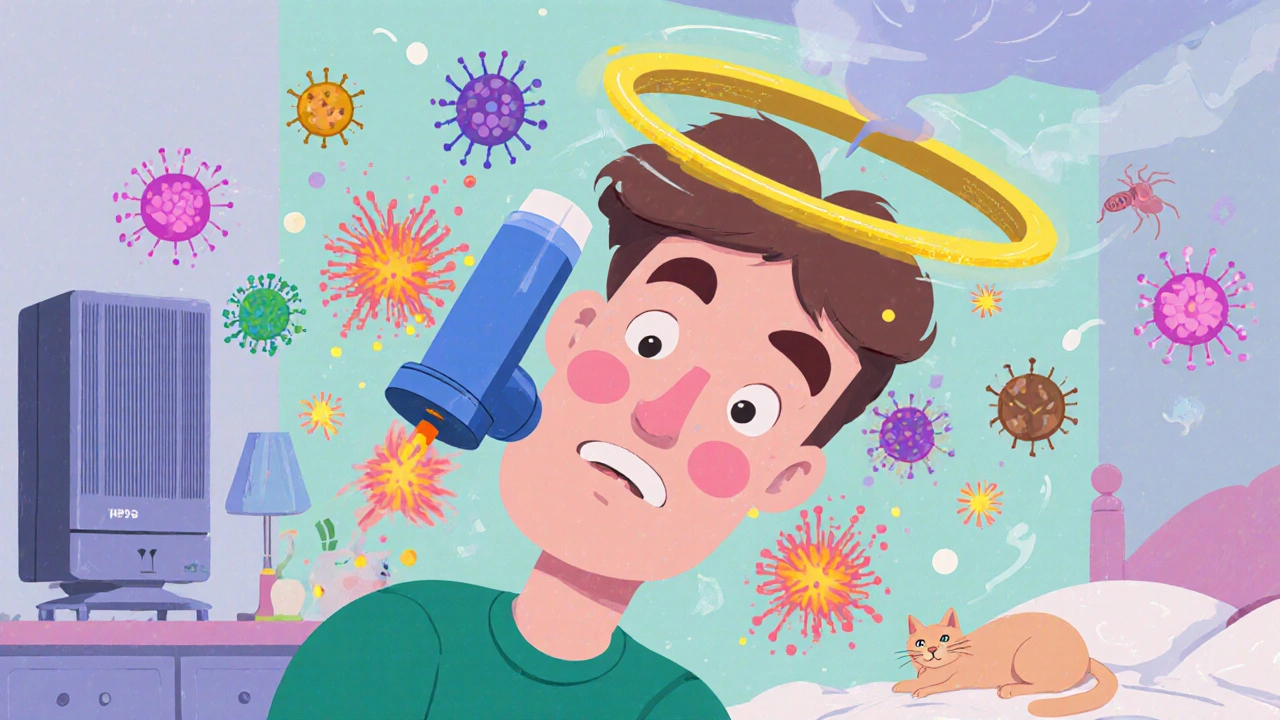
Allergic asthma affects 60% of adults with asthma, where allergens like pollen and dust mites trigger airway inflammation. Learn how to identify triggers, use effective treatments like immunotherapy and biologics, and reduce flare-ups by managing the allergy component.
Written by Mark O'Neill
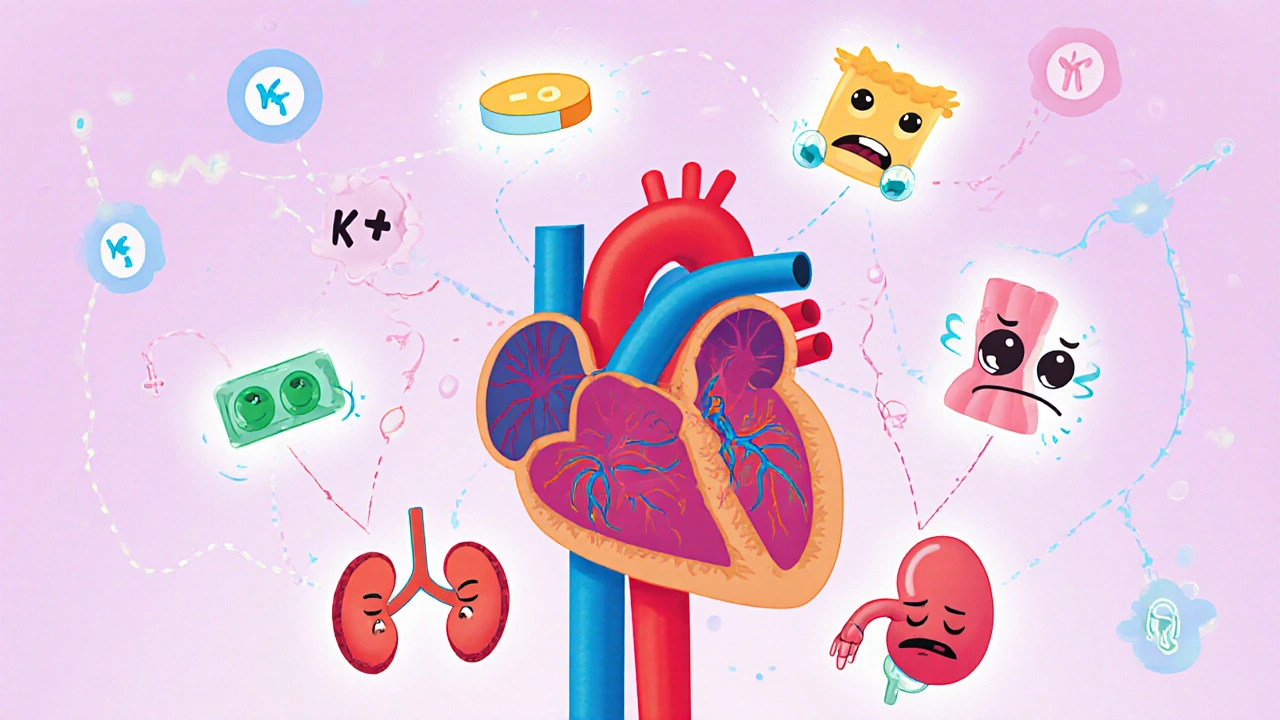
Heart failure medications save lives-but only if monitored correctly. Learn why potassium checks, dose titration, and special population risks matter more than ever with today's four-pillar treatment approach.
Written by Mark O'Neill
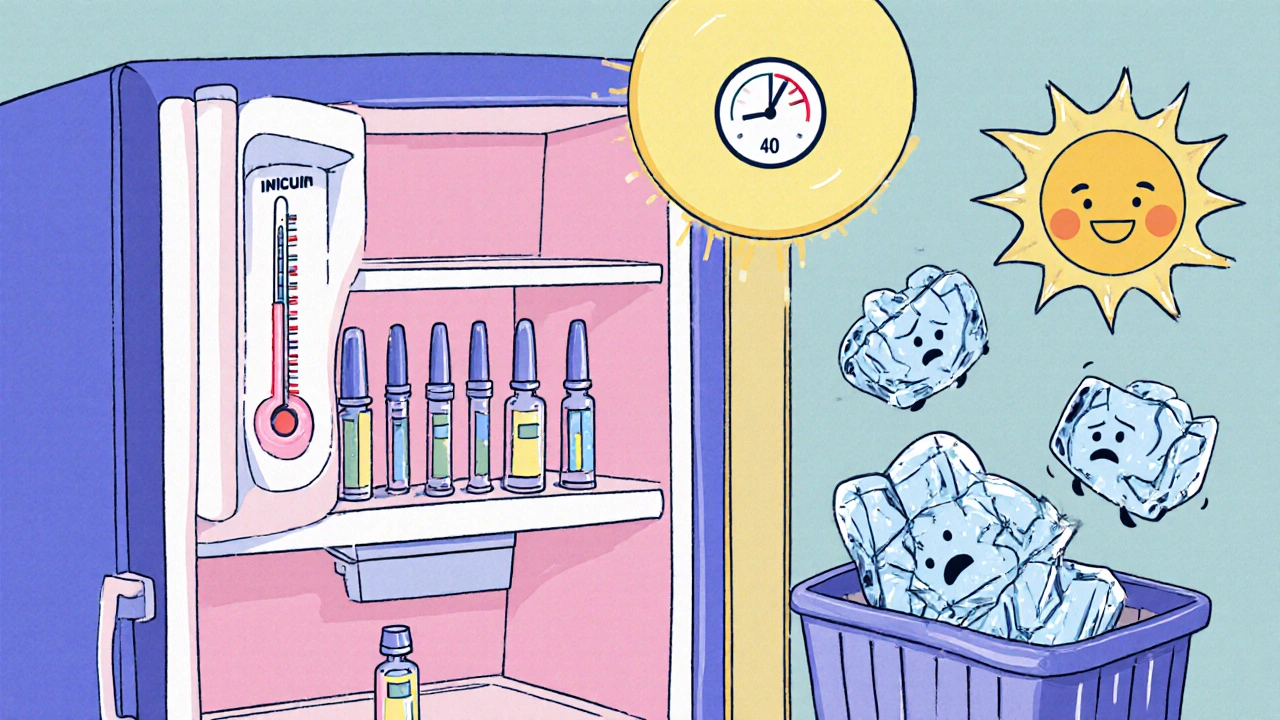
Learn how to store insulin pens, vials, and supplies correctly to ensure effectiveness and safety. Avoid common mistakes that lead to wasted medication and dangerous blood sugar swings.
Written by Mark O'Neill
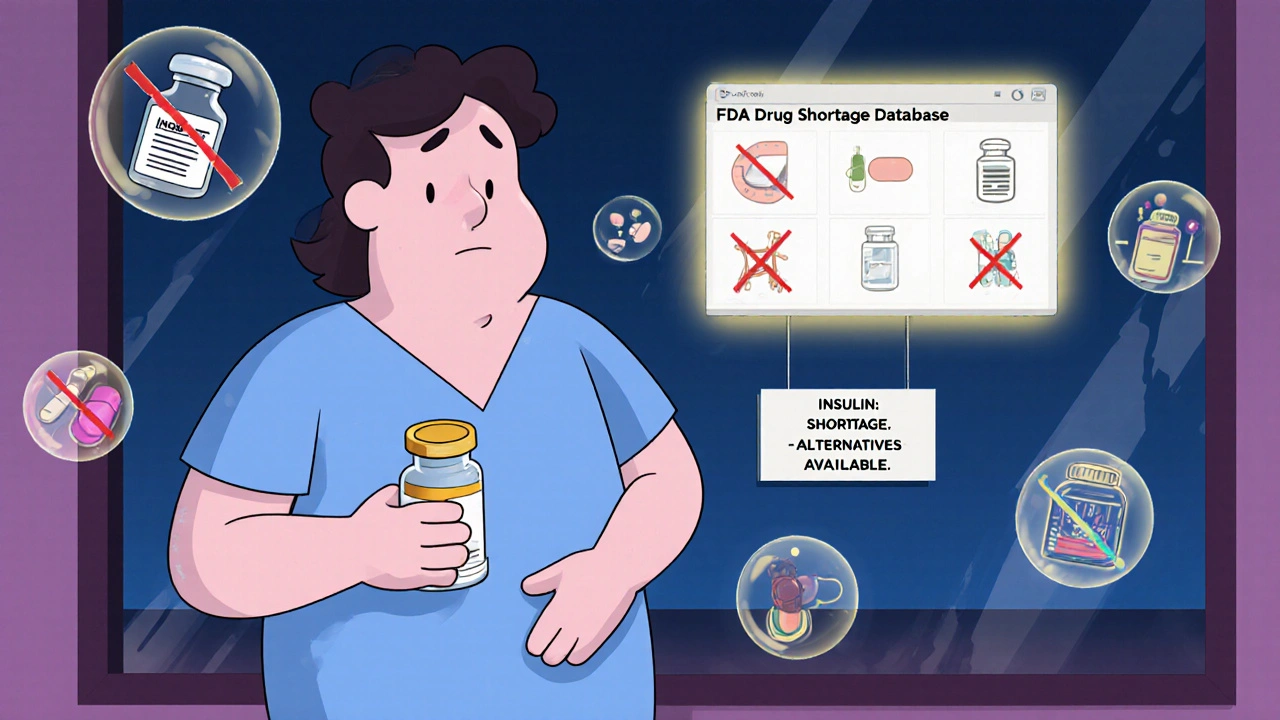
When your medication runs out during a shortage, knowing safe alternatives and how to find them can prevent health risks. Learn what works, what to avoid, and how to navigate insulin, antibiotic, and cancer drug shortages in 2025.
Written by Mark O'Neill
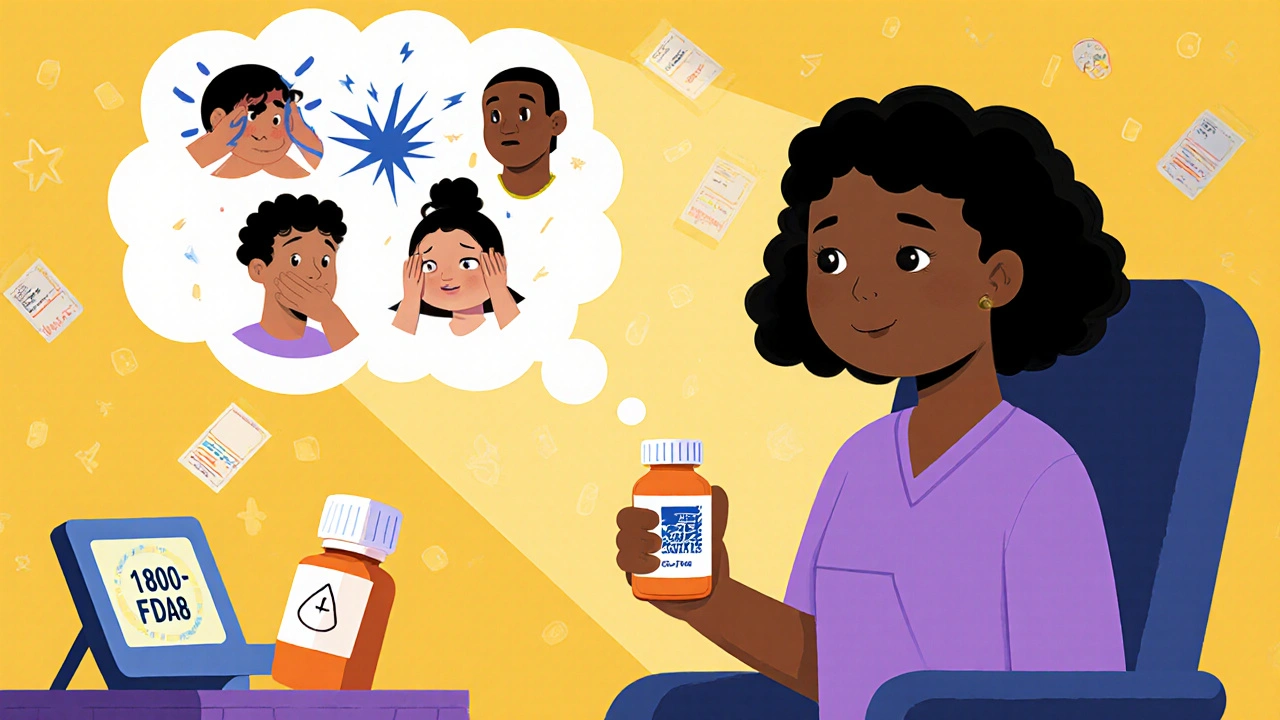
Learn how to report medication side effects to the FDA - why your voice matters, how to file a report in minutes, and how this simple step helps protect others from dangerous drug reactions.