
When a drug has a narrow therapeutic index, the difference between a safe, effective dose and a toxic one is very small. Also known as a narrow therapeutic window, this means even a slight change in how your body processes the medicine can lead to serious harm—or no effect at all. It’s not about the drug being weak or strong. It’s about how little room there is to get it right.
Drugs with a narrow therapeutic index require careful dosing and regular monitoring. Think of warfarin, used to prevent blood clots. Too little, and you risk a stroke. Too much, and you could bleed internally. Or take lithium for bipolar disorder—its effectiveness depends on staying within a very tight range in your bloodstream. Even a small change in kidney function, diet, or other meds can throw it off. That’s why people on these drugs often need frequent blood level testing, measuring how much of the drug is circulating in the body. It’s not optional. It’s life-saving.
This isn’t just about the medicine itself. It’s about how your body handles it. Age, liver or kidney health, genetics, and other drugs you take can all shift the balance. That’s why medication monitoring, the ongoing process of checking drug levels and side effects is so critical. You can’t just take the pill and forget it. You need to stay in sync with your doctor, report changes in how you feel, and never skip lab tests—even if you feel fine.
Many of the drugs on this list—like warfarin, clozapine, and digoxin—fall into this category. They work wonders when managed right. But when they’re not? The risks are real. That’s why understanding this concept matters. If you’re prescribed one of these drugs, ask: "Do I need blood tests? How often? What happens if I miss one?" The answers could keep you safe.
Below, you’ll find real-world guides on exactly these kinds of medications—how they behave, what to watch for, and how to avoid dangerous mistakes. From drug interactions to dosing quirks and monitoring protocols, these posts give you the practical knowledge you need to stay in control. No guesswork. Just clear, direct info for when the stakes are high.
Written by Mark O'Neill
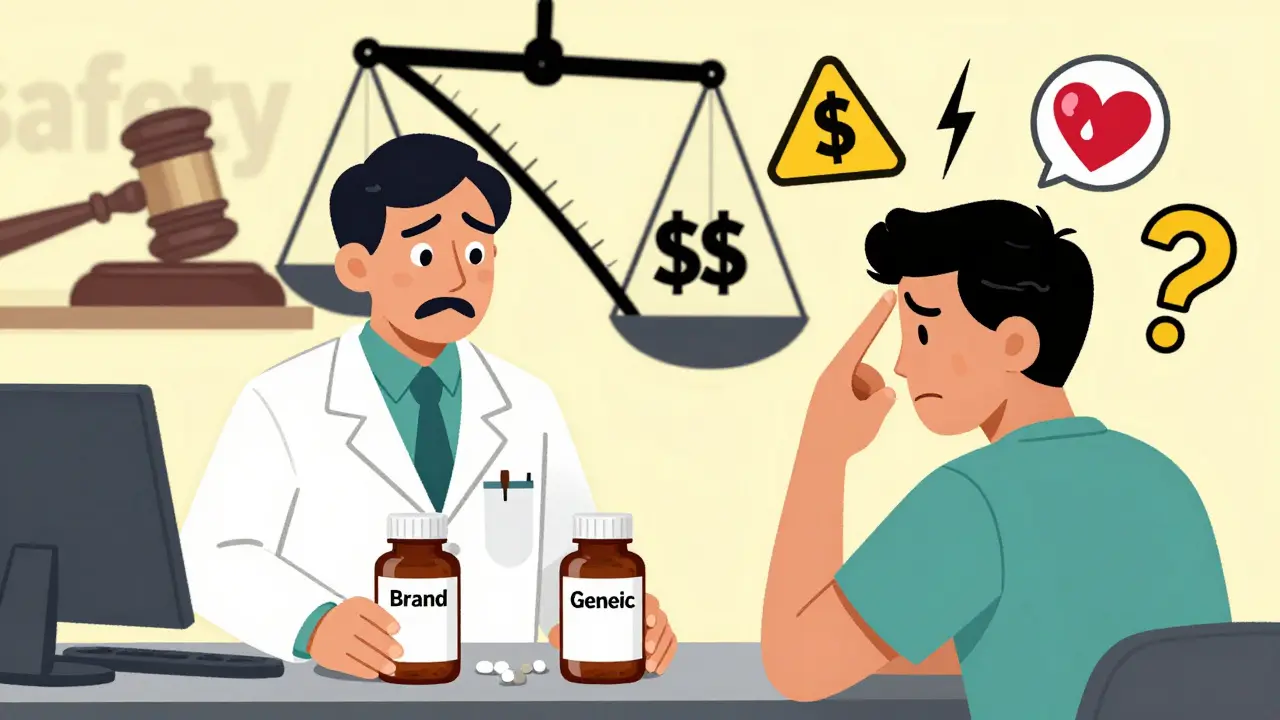
Generic substitution saves money but creates legal risks for pharmacists. Learn how state laws, federal preemption, and narrow therapeutic index drugs affect liability-and what steps you can take to protect yourself and your patients.
Written by Mark O'Neill
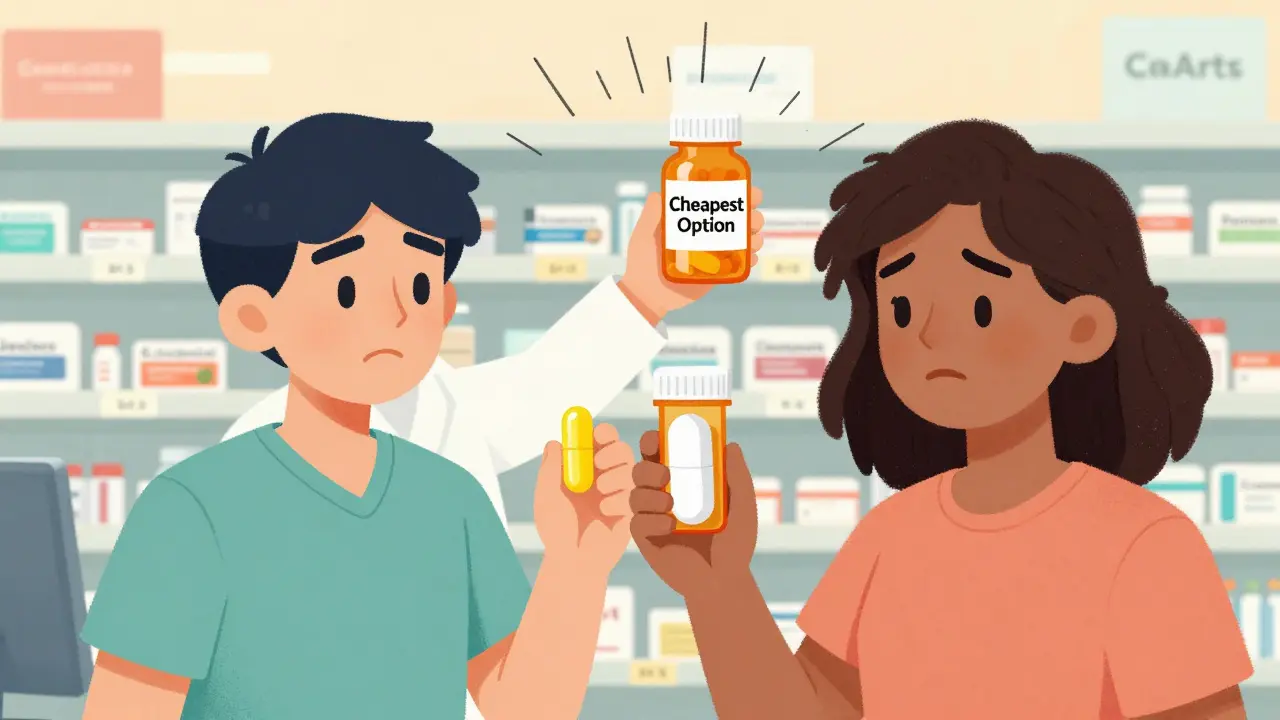
Switching between different generic medications is common but can be risky for certain drugs like thyroid medication or blood thinners. Learn which generics are safe to switch and how to protect yourself from dangerous changes.
Written by Mark O'Neill
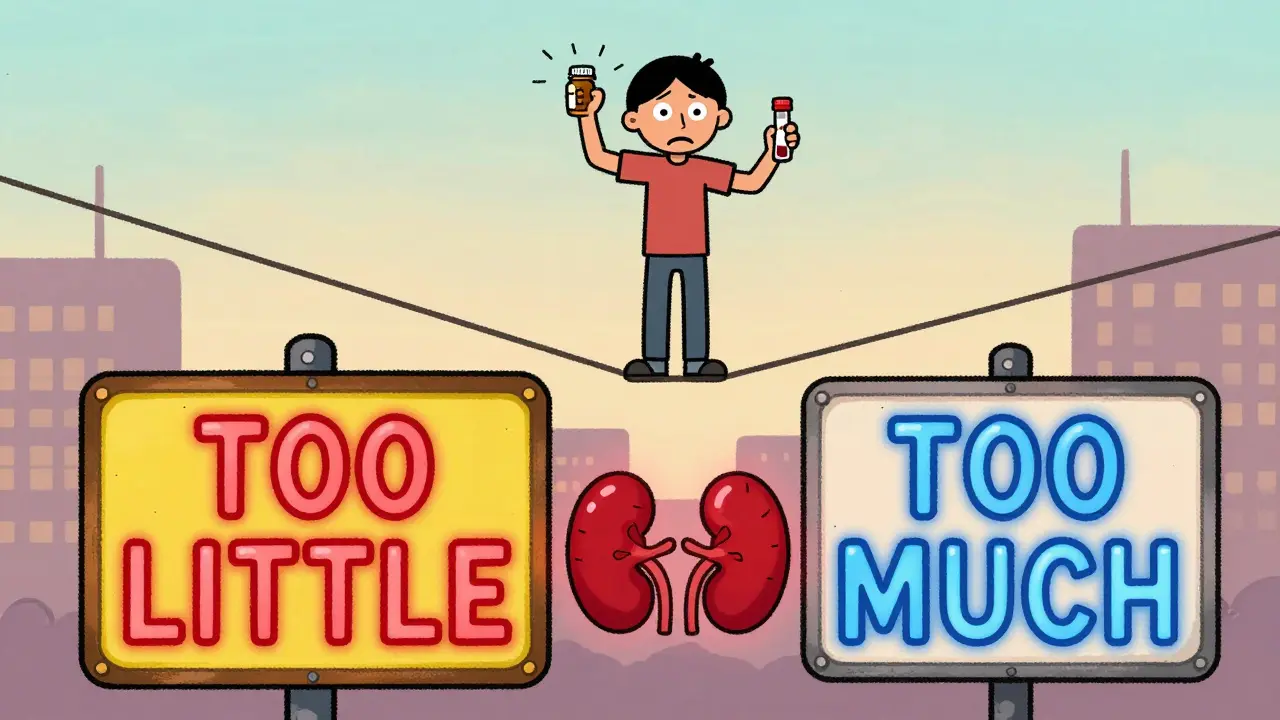
NTI drugs have a tiny margin between safe and toxic doses. Common examples include warfarin, lithium, digoxin, and tacrolimus. Even small changes in dose or brand can cause serious harm. Regular blood tests and strict adherence are critical for safety.
Written by Mark O'Neill
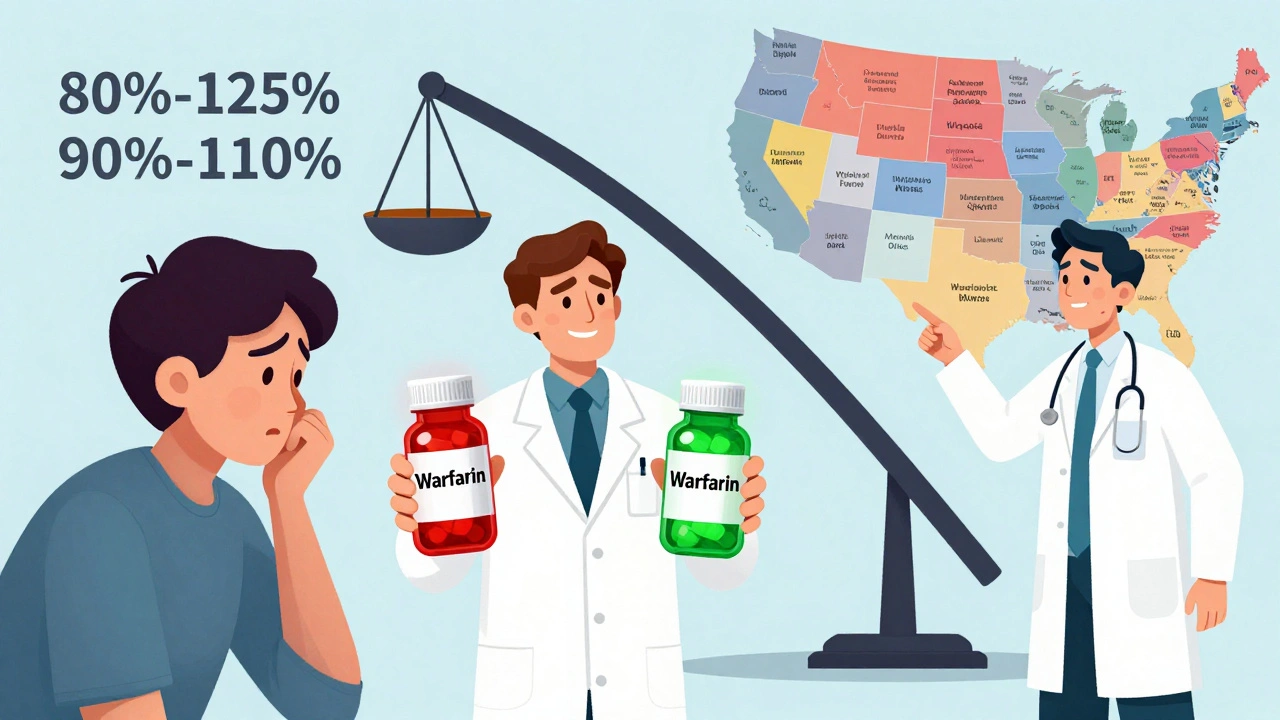
NTI generics require stricter regulation than regular generics due to their narrow safety margin. This article compares how the FDA, EMA, Health Canada, and Japan approve these high-risk drugs, and why global harmonization is critical for patient safety.