
When you hear generic drugs, medications that contain the same active ingredients as brand-name drugs but are sold under their chemical name. Also known as generic medications, they are the backbone of affordable healthcare worldwide. They aren’t cheaper because they’re weaker—they’re cheaper because they don’t carry the marketing, patent, or R&D costs of the original brand. The FDA, the U.S. agency that ensures drugs are safe, effective, and properly labeled requires generic drugs to match brand-name versions in strength, dosage, safety, and how they work in your body. If a generic pill works differently, it doesn’t get approved. That’s not a guess—it’s a legal requirement.
Many people worry that generic drugs are inferior, but the truth is simpler: they’re the same medicine, just without the fancy packaging or celebrity ads. For example, sildenafil, the active ingredient in Viagra, is sold as generic Zenegra or other brands—and it works just as well. The same goes for hydrochlorothiazide, a common blood pressure pill, or omeprazole, the acid reducer behind Prilosec. These aren’t knockoffs—they’re the real thing, approved by the same scientists who review the originals. What changes? The price. Often by 80% or more.
Why does this matter? Because millions of people skip doses or avoid treatment because of cost. A generic version of a heart medication can mean the difference between managing a condition and ending up in the hospital. Even small savings add up—think $50 a month on a prescription, multiplied over a year, multiplied across families, clinics, and insurers. That’s how generic drugs reshape entire healthcare systems. And they’re not just for the poor. Even people with insurance often pay less out-of-pocket for generics because insurers encourage them. Your doctor might not always mention it, but asking for the generic version is a smart, safe move.
There are exceptions—some drugs have narrow therapeutic windows, like warfarin or levothyroxine, where even tiny differences in absorption matter. But even then, the FDA tracks these closely, and many generic versions are now considered bioequivalent. The key is consistency: if your doctor switches you from one generic to another, it’s usually fine. But if you notice a change in how you feel, speak up. That’s why posts here cover topics like reporting side effects, understanding drug interactions, and comparing medications—because knowing how your pills work helps you take control.
What you’ll find below isn’t just a list of articles. It’s a practical guide to navigating real-world medication choices. From how clozapine interacts with smoking, to why digoxin works for postpartum heart failure, to how hydrocortisone helps after surgery—these posts show how drugs behave in real bodies, not just in lab reports. You’ll see how generics fit into pain management, heart health, skin care, and even athlete safety rules. This isn’t theory. It’s what people actually use, struggle with, and benefit from every day. Let’s get you the facts you need to make smarter, safer choices.
Written by Mark O'Neill
Explore the hidden labor cost gaps between generic and brand-name drug manufacturing. Learn how scale, geography, and quality control drive price differences in pharmaceuticals.
Written by Mark O'Neill
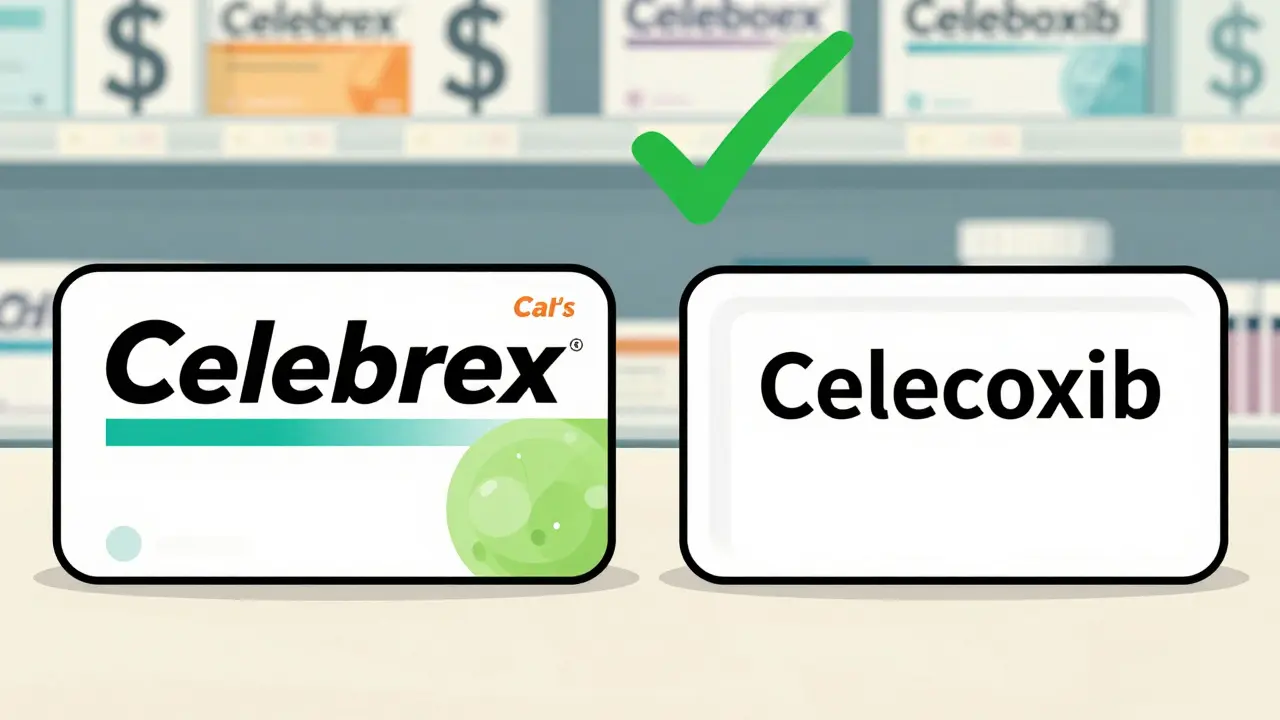
Authorized generics are the exact same as brand-name drugs with no label - while regular generics can have different ingredients. Learn which one is safer when switching, especially for critical medications like thyroid or seizure drugs.

Written by Mark O'Neill
Generic drugs are held to the same strict quality standards as brand-name drugs. Learn how cGMP, serialization, and advanced testing prevent counterfeit medications from reaching patients - and why this system works better than ever.
Written by Mark O'Neill
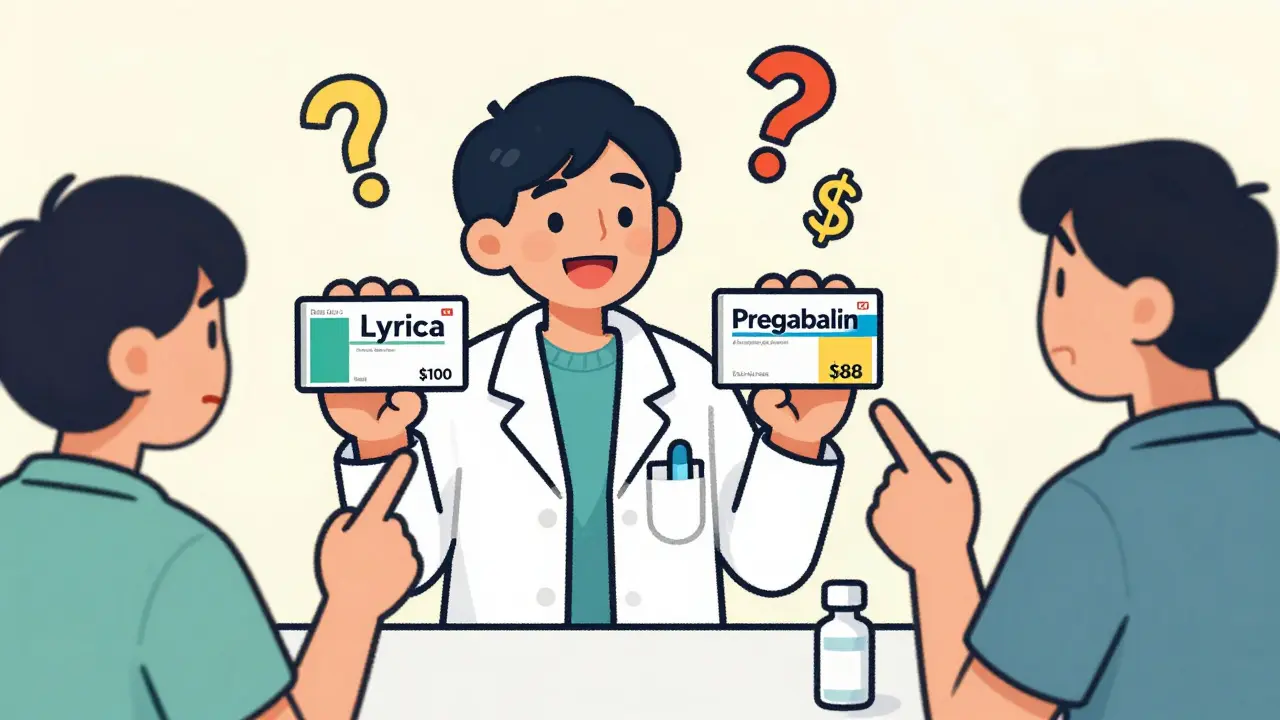
Not all drugs have authorized generics because they're a strategic business tool, not a public health requirement. Learn how they work, why they're limited, and how they affect your prescription costs.
Written by Mark O'Neill
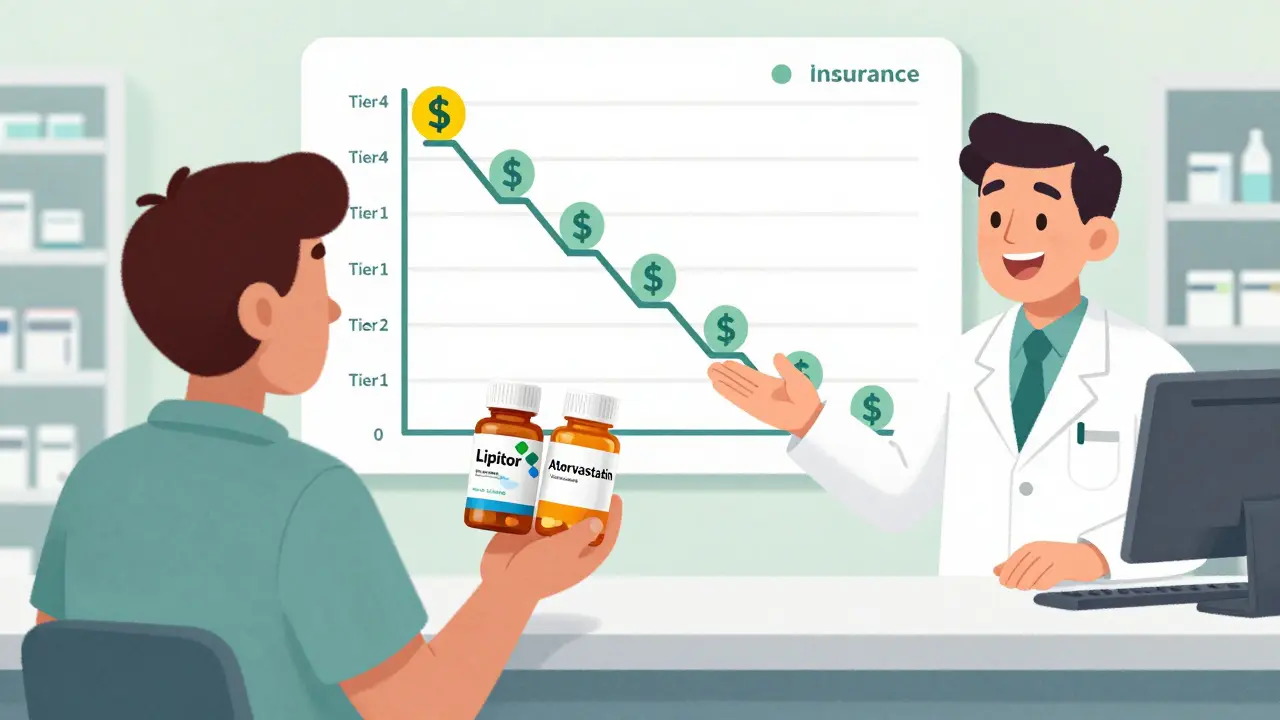
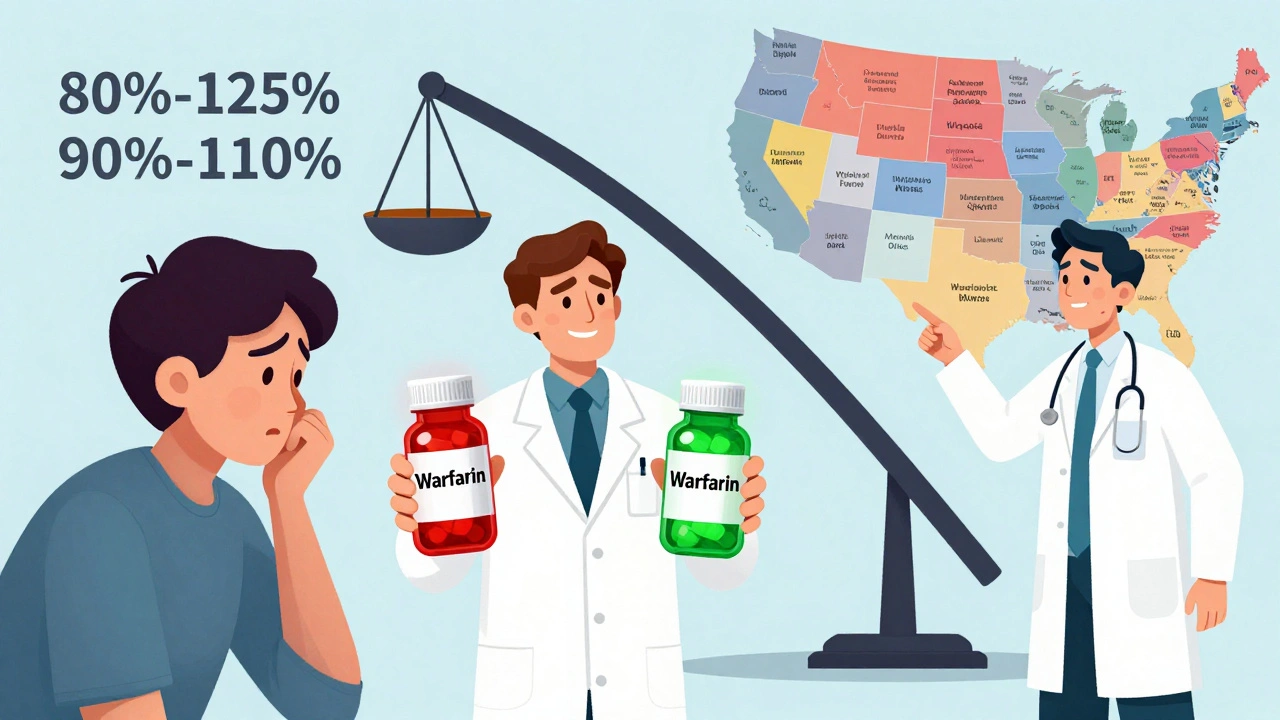
Learn how insurance policies treat generic and brand-name drugs differently - from copays and step therapy to medical exceptions and state laws. Know your rights and save money without risking your health.
Written by Mark O'Neill
NTI generics require stricter regulation than regular generics due to their narrow safety margin. This article compares how the FDA, EMA, Health Canada, and Japan approve these high-risk drugs, and why global harmonization is critical for patient safety.

Written by Mark O'Neill
Bioequivalence studies must now reflect real-world patients. Learn how age and sex impact generic drug testing, what regulators require, and why balancing male and female participants is no longer optional.
Written by Mark O'Neill
Learn how the FDA approves generic drugs, why they're safe and effective, and how they save patients money without sacrificing quality. A clear, patient-friendly guide to understanding generic medication approval.
Written by Mark O'Neill
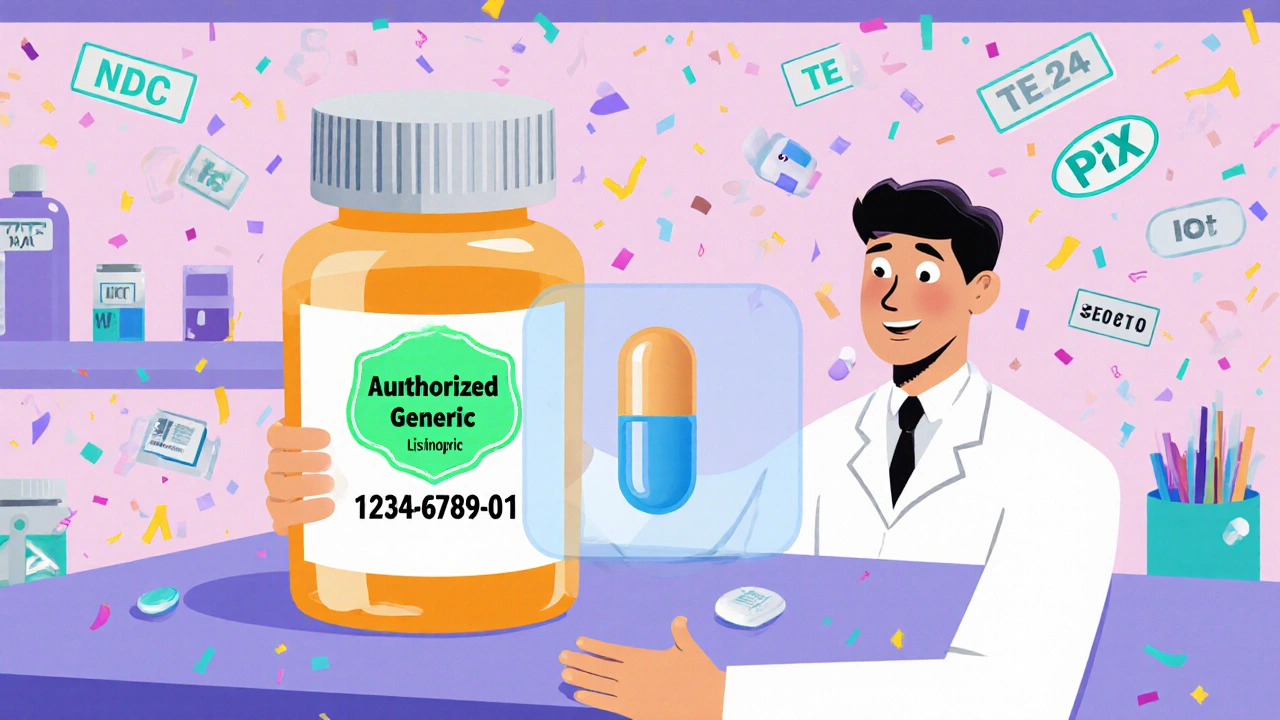
Learn how pharmacy systems correctly identify generic and brand drugs using NDC and TE codes, avoid substitution errors, and ensure patient safety with best practices backed by FDA guidelines and real-world data.
Written by Mark O'Neill
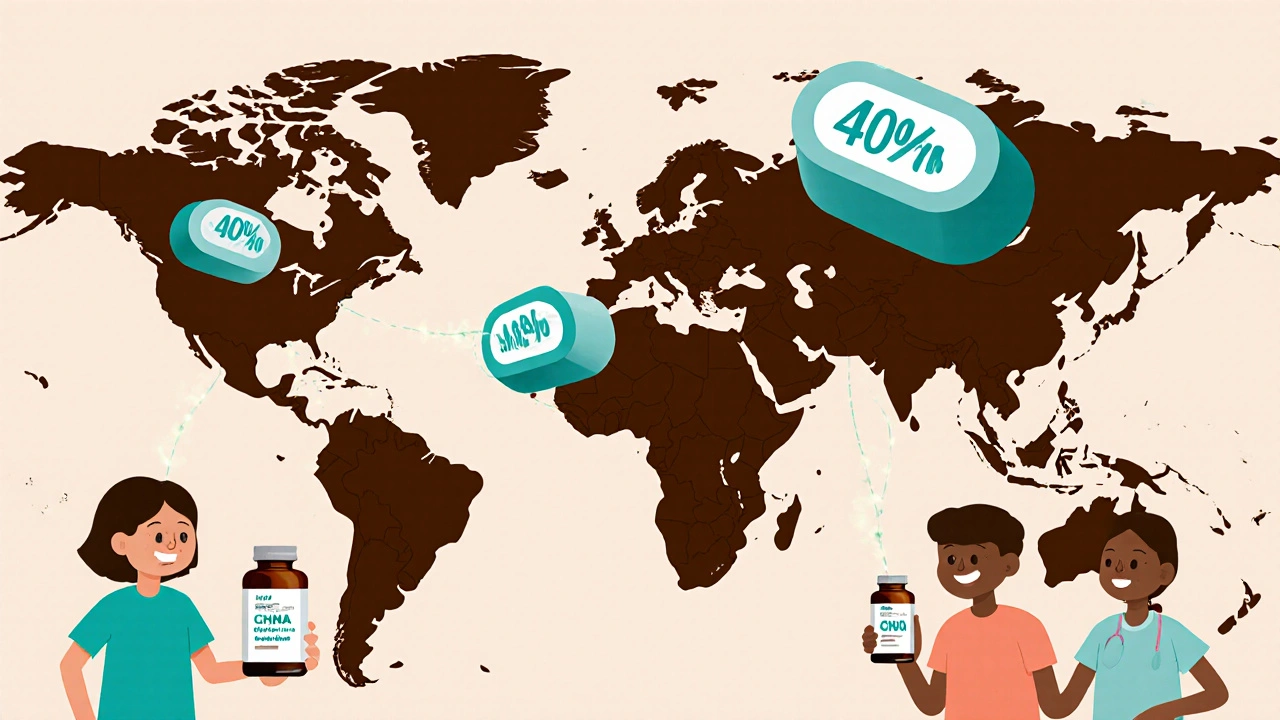
The global generic drug market is growing rapidly, driven by cost pressures and chronic disease trends. Learn how biosimilars, Asia's manufacturing dominance, and regulatory shifts are reshaping affordable healthcare through 2030.