
Written by Mark O'Neill
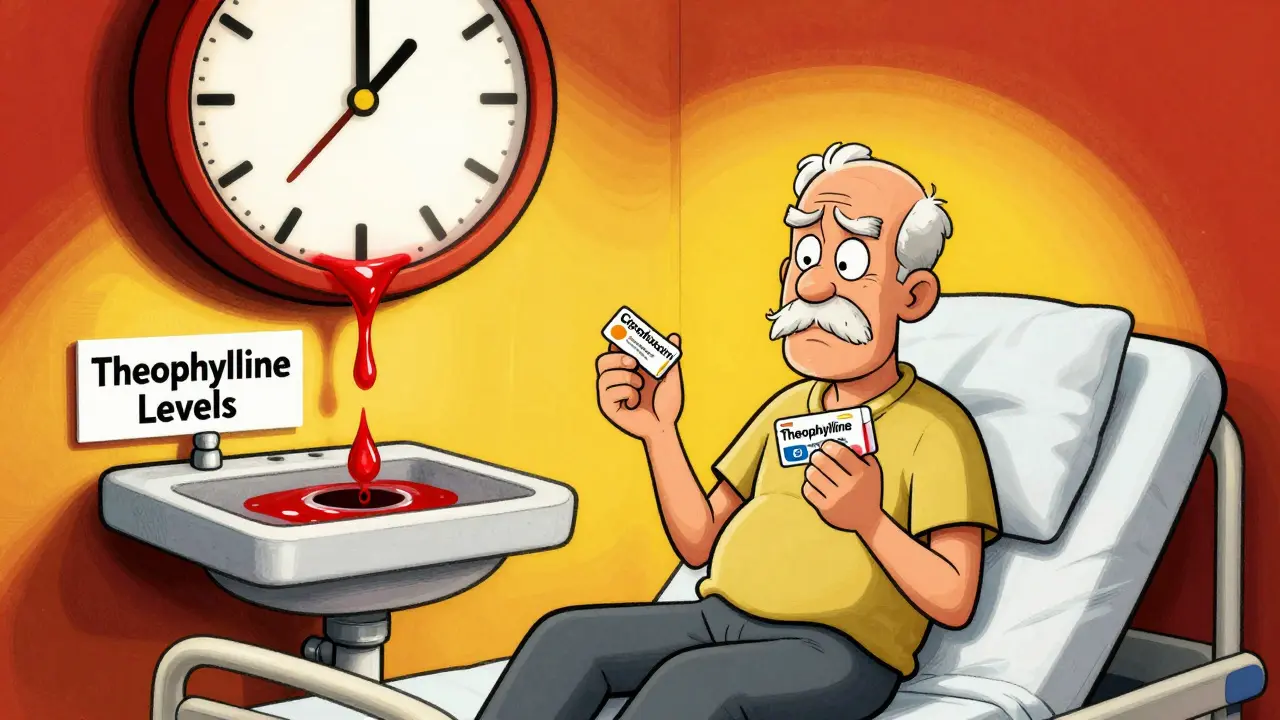
Ciprofloxacin can cause dangerous theophylline buildup, leading to seizures, heart rhythm problems, and hospitalization. Learn why this interaction is so risky and what to do instead.

Written by Mark O'Neill
Learn how to save hundreds on prescriptions by using generic medications without risking safety. Discover when generics work just as well as brand-name drugs, which ones to be careful with, and how to switch smartly.

Written by Mark O'Neill
Learn the five essential rules for taking medication safely-know the right patient, drug, dose, route, and time. These simple steps can prevent dangerous errors and keep you out of the hospital.
Written by Mark O'Neill
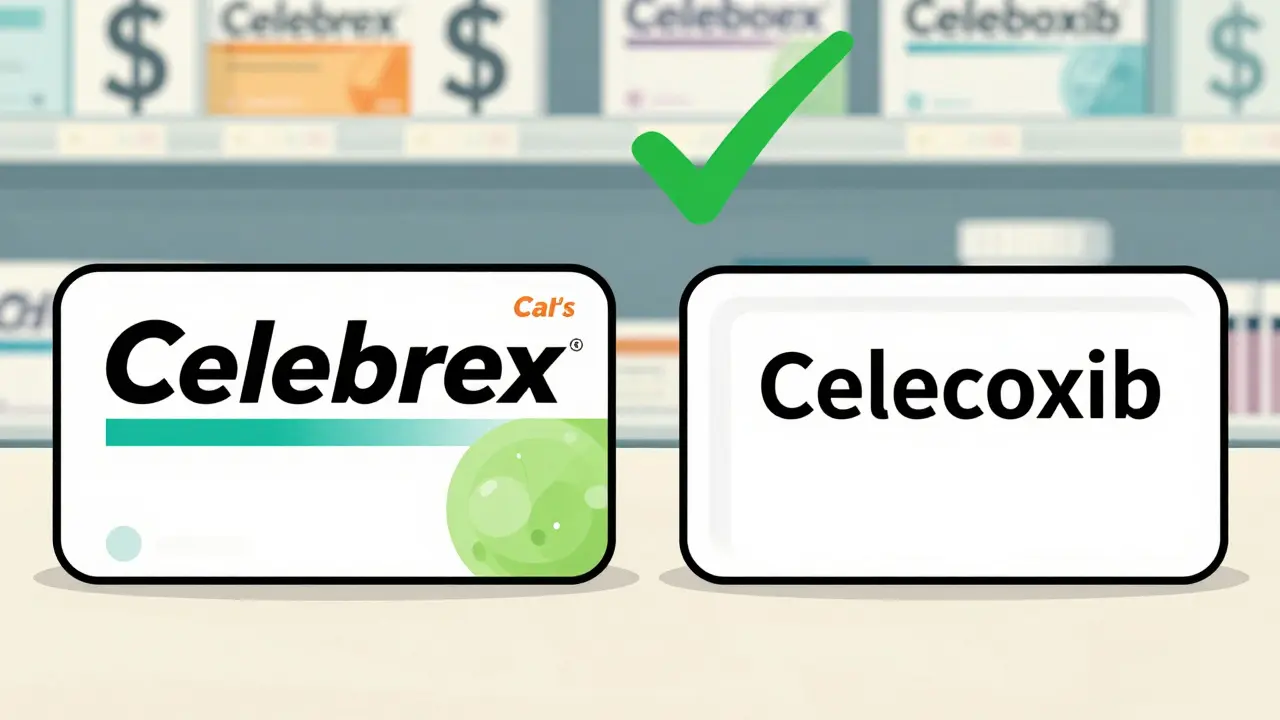
Authorized generics are the exact same as brand-name drugs with no label - while regular generics can have different ingredients. Learn which one is safer when switching, especially for critical medications like thyroid or seizure drugs.
Written by Mark O'Neill
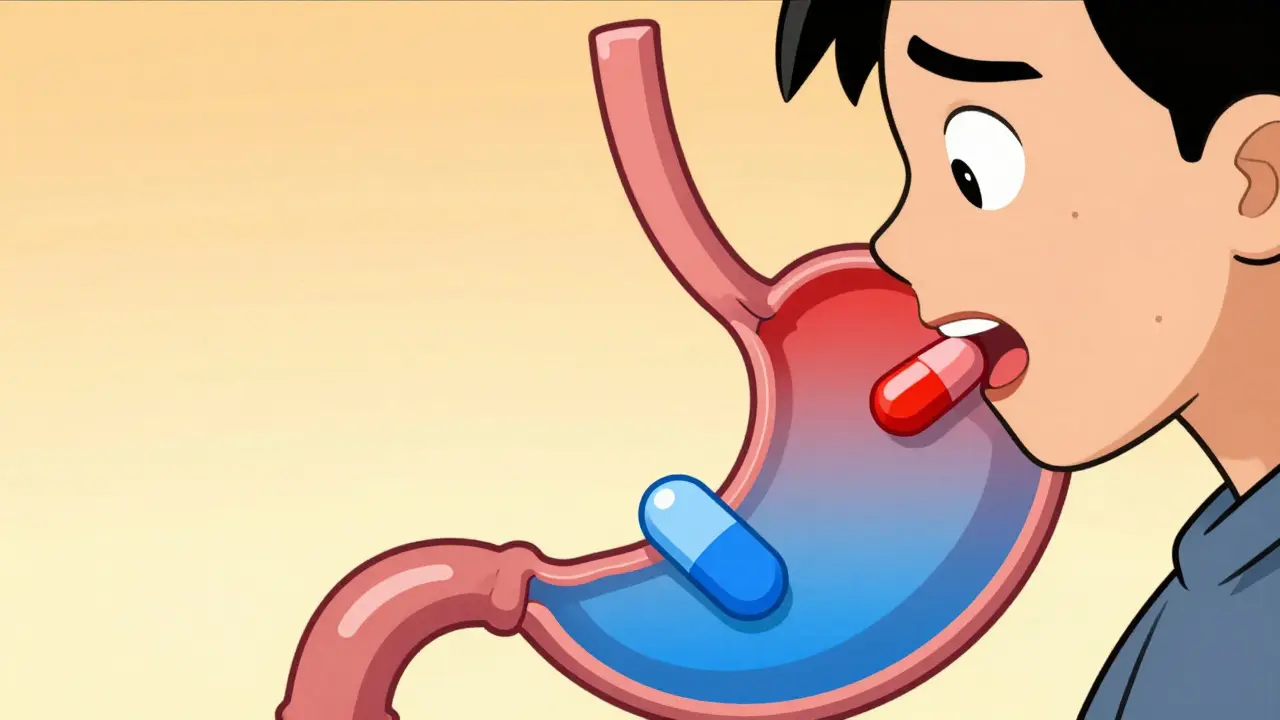
Learn how acid-reducing medications like PPIs and H2 blockers affect other drugs' absorption, including high-risk examples and practical management strategies to avoid treatment failures.
Written by Mark O'Neill
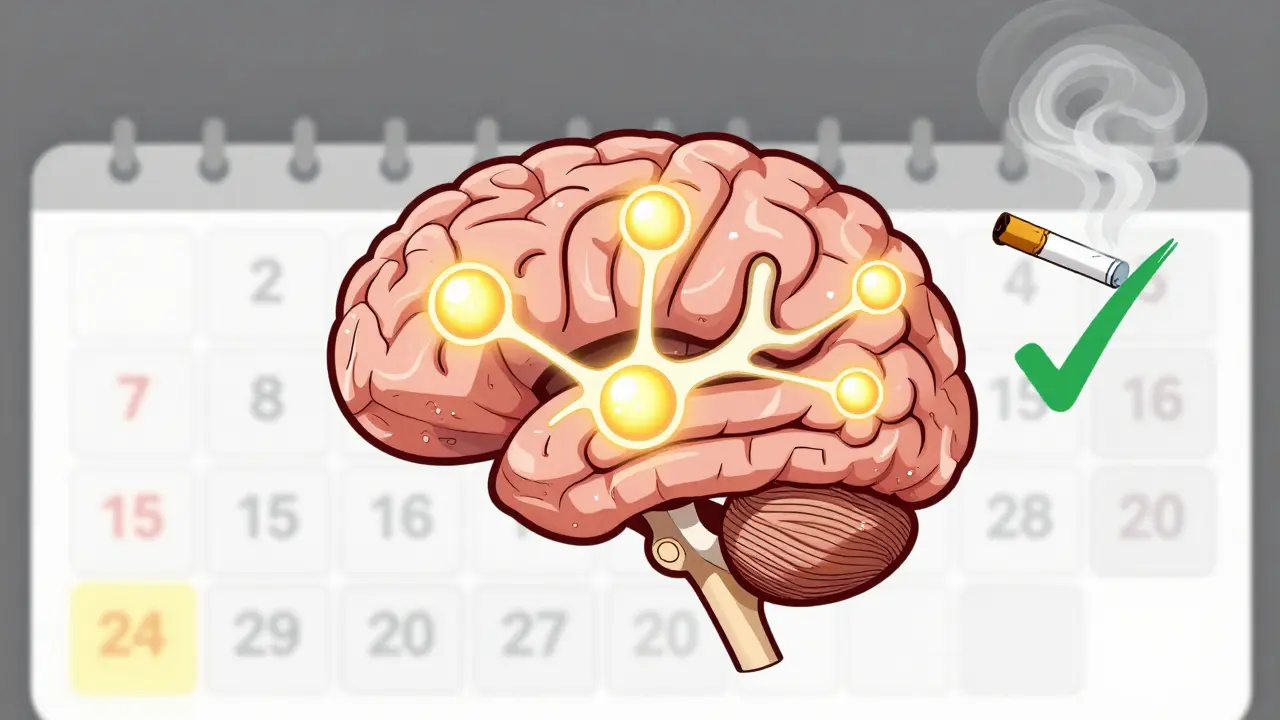
Bupropion (Zyban) helps people quit smoking by reducing cravings without nicotine. Learn how it works, who should avoid it, dangerous drug interactions, side effects, and how to use it safely for the best results.

Written by Mark O'Neill
Generic drugs are held to the same strict quality standards as brand-name drugs. Learn how cGMP, serialization, and advanced testing prevent counterfeit medications from reaching patients - and why this system works better than ever.
Written by Mark O'Neill
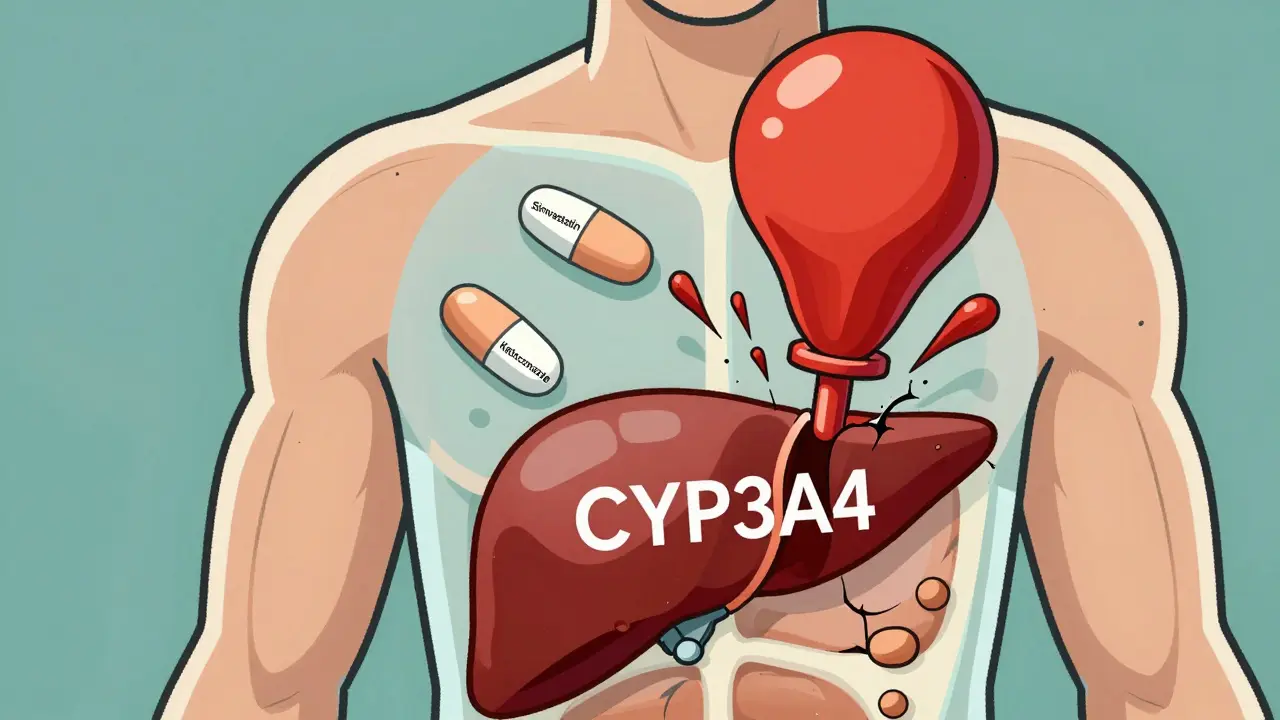
Drug-drug interactions can cause serious harm or reduce medication effectiveness. Learn how pharmacokinetic and pharmacodynamic interactions work, which drugs are most risky, and how to protect yourself.
Written by Mark O'Neill
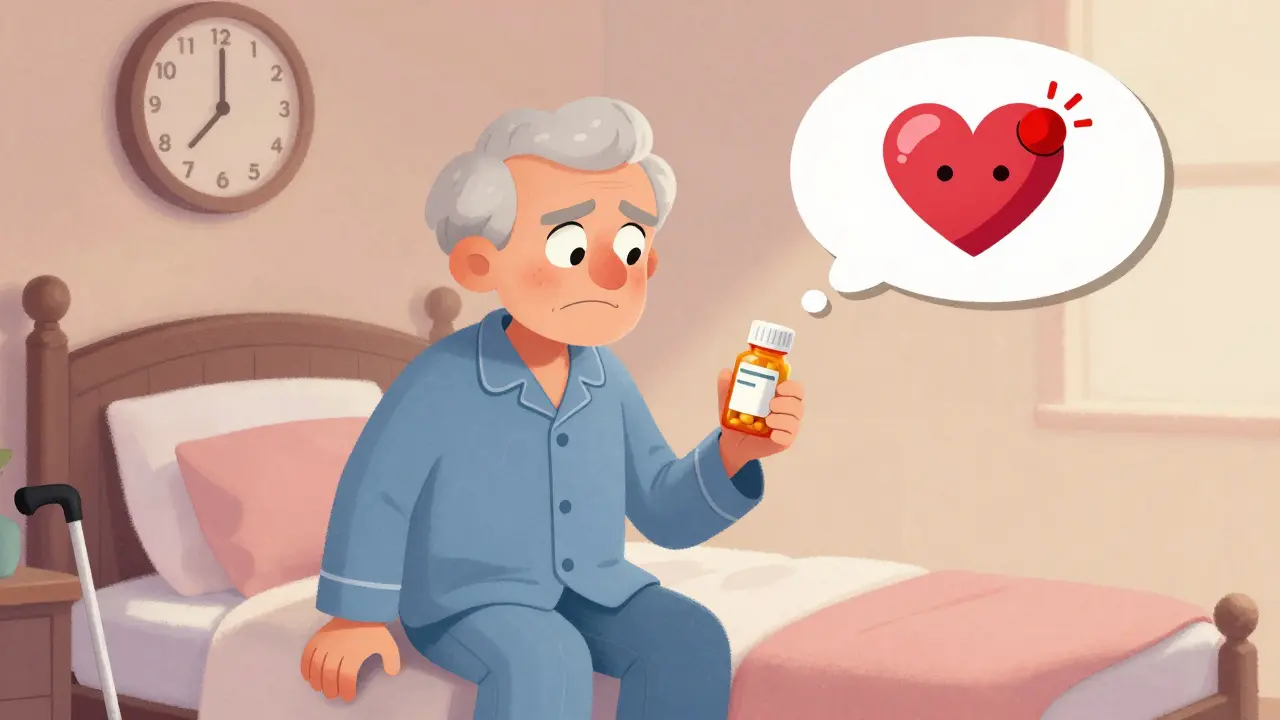
Learn when it's safe to stop statins, how to manage the process, and what risks to watch for - especially if you're older or have limited life expectancy. Evidence-based guidance for patients and caregivers.
Written by Mark O'Neill
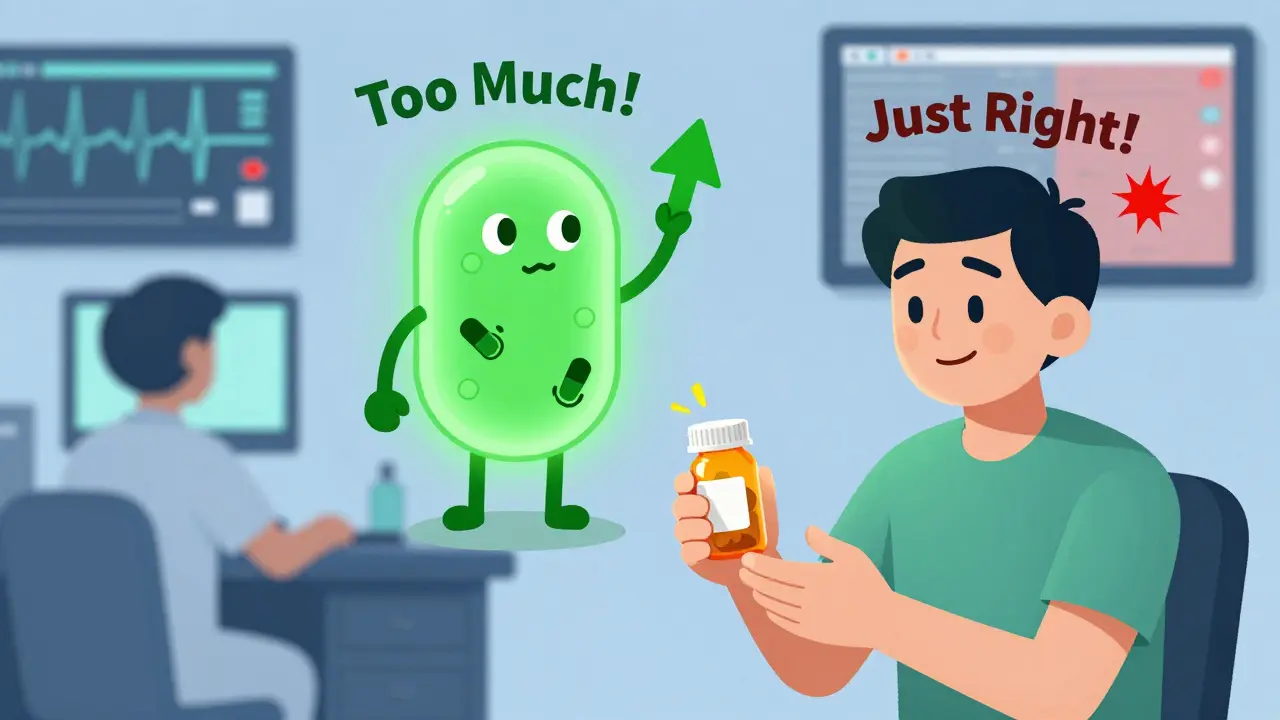
Learn the difference between dose-related and non-dose-related side effects-why some reactions depend on how much you take, and others happen no matter the dose. Know what to watch for and how to stay safe.