
Written by Mark O'Neill
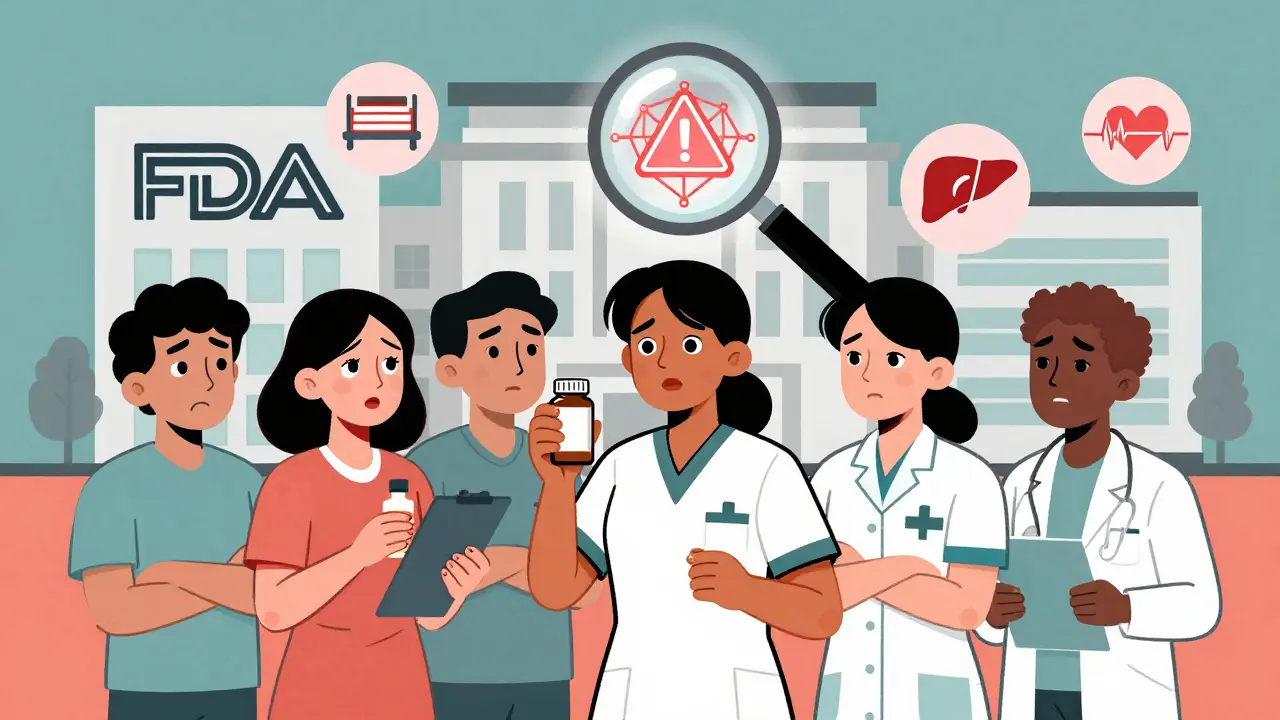
Learn how to report adverse drug reactions to FDA MedWatch - whether you're a patient, doctor, or pharmacist. Step-by-step guide on forms, what to report, and why your report matters for drug safety.

Written by Mark O'Neill
The FDA's Purple Book is the official guide to biosimilars and interchangeable biologics in the U.S. Learn how it works, who can substitute these drugs, and why the distinction matters for cost and care.
Written by Mark O'Neill
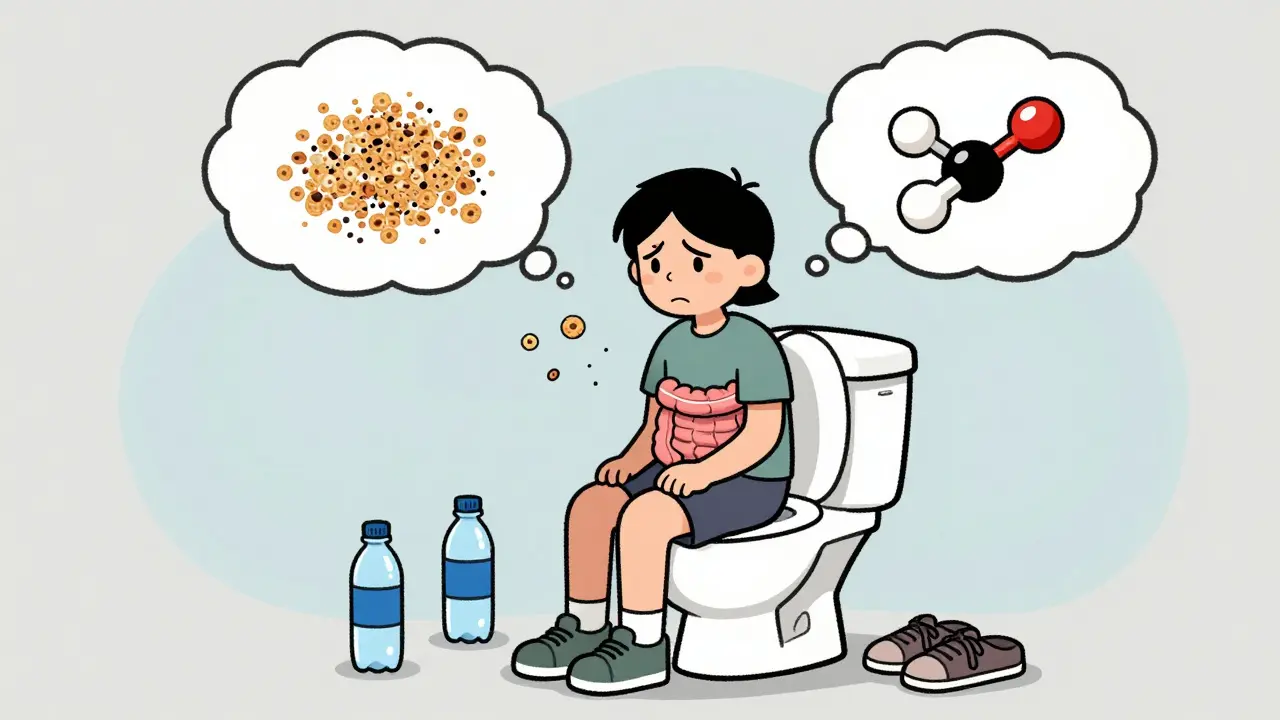
Opioid-induced constipation affects up to 95% of chronic opioid users and doesn't improve on its own. Learn why fiber doesn't help, what laxatives actually work, and which prescription drugs target the root cause without reducing pain relief.
Written by Mark O'Neill
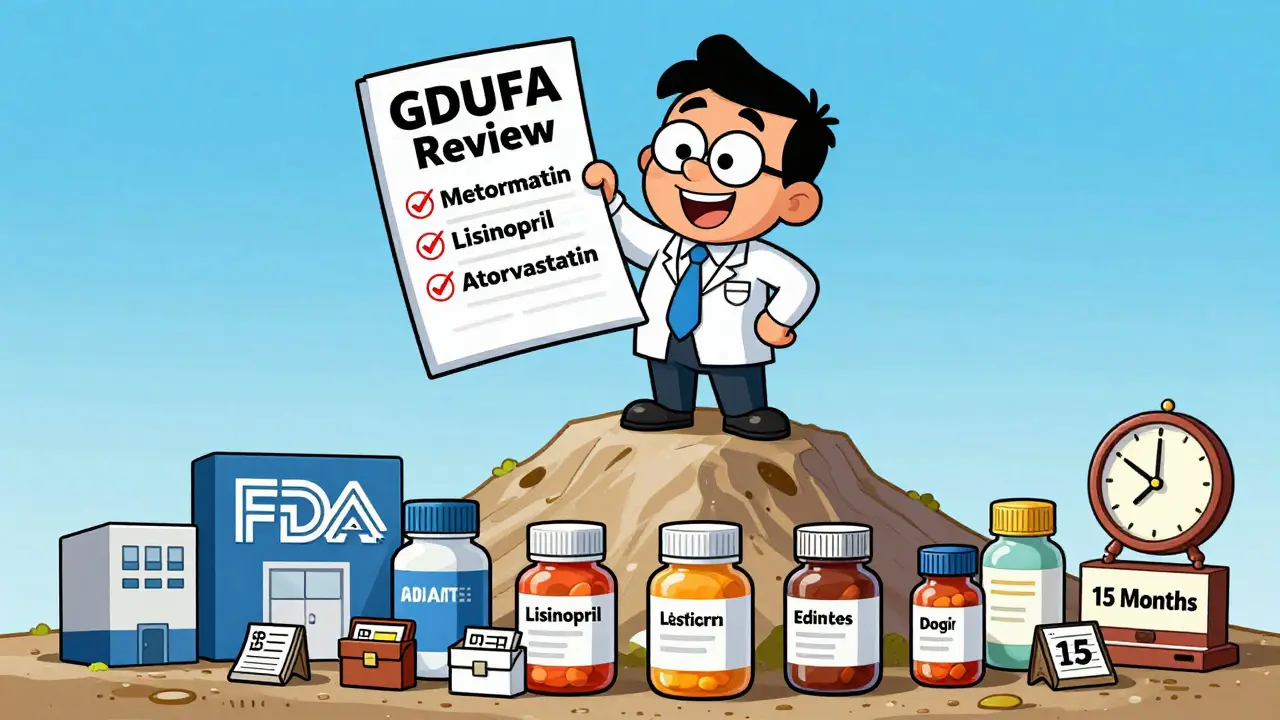
GDUFA funds FDA reviews of generic drugs through industry fees, cutting approval times from years to months and saving patients trillions. Learn how it works, who pays, and why it matters.
Written by Mark O'Neill
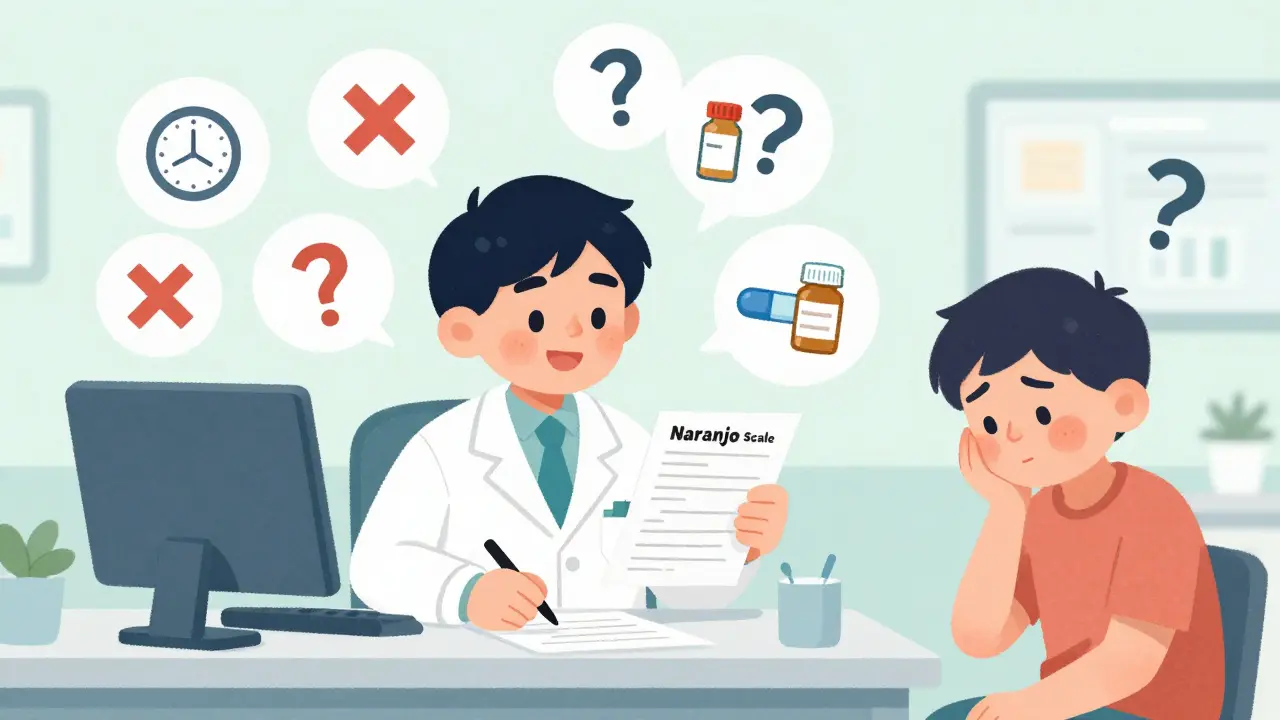
The Naranjo Scale is a widely used tool to determine if a drug caused an adverse reaction. Learn how its 10-question scoring system works, where it's used, its strengths, limitations, and why it's still the gold standard in drug safety assessment.
Written by Mark O'Neill
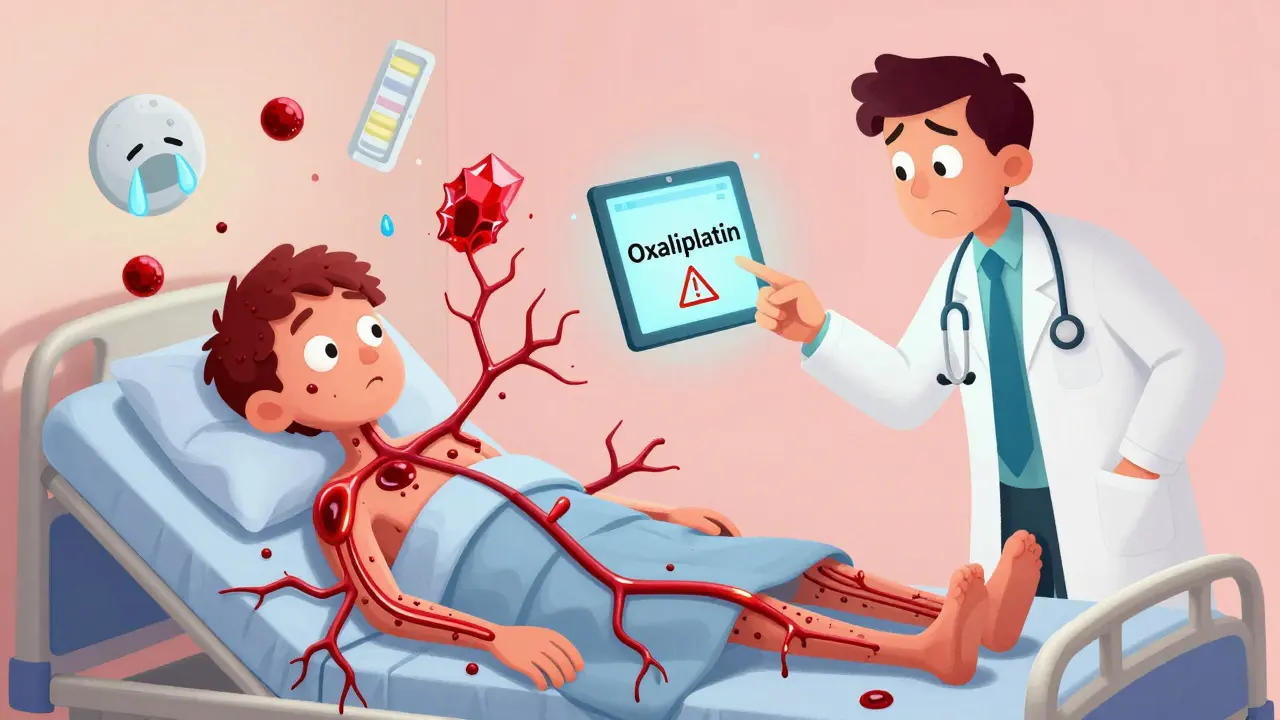
Drug-induced disseminated intravascular coagulation is a rare but deadly reaction to certain medications. Learn how to recognize the signs, which drugs are most dangerous, and why stopping the trigger is the only thing that saves lives.
Written by Mark O'Neill
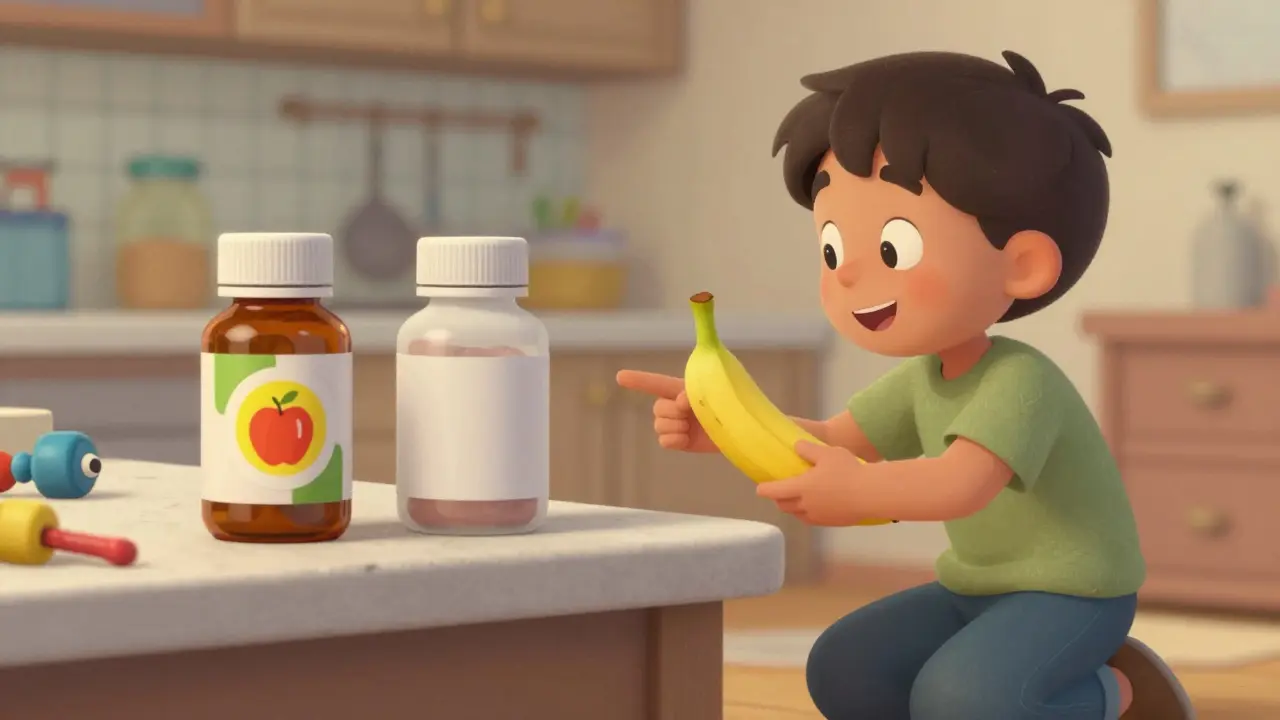
Teach kids how generic drugs work - same medicine, lower price. Learn simple ways to explain generics to children, bust common myths, and build lifelong medicine literacy with honest, age-appropriate conversations.

Written by Mark O'Neill
Tramadol can trigger seizures even at normal doses, especially in people with seizure disorders or those taking antidepressants. Learn who's at risk, what alternatives exist, and why this painkiller is unsafe for many.
Written by Mark O'Neill
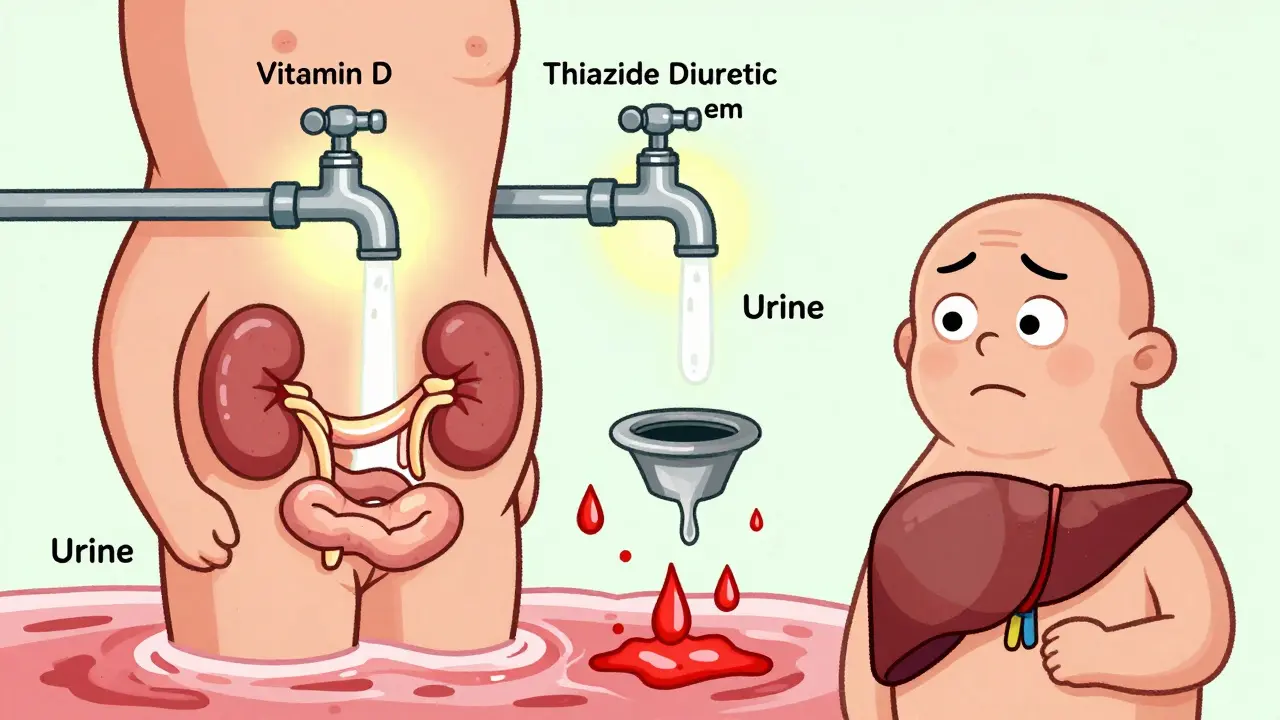
Combining vitamin D supplements with thiazide diuretics can raise calcium levels dangerously high. Learn who’s at risk, what symptoms to watch for, and how to stay safe without stopping either medication.
Written by Mark O'Neill
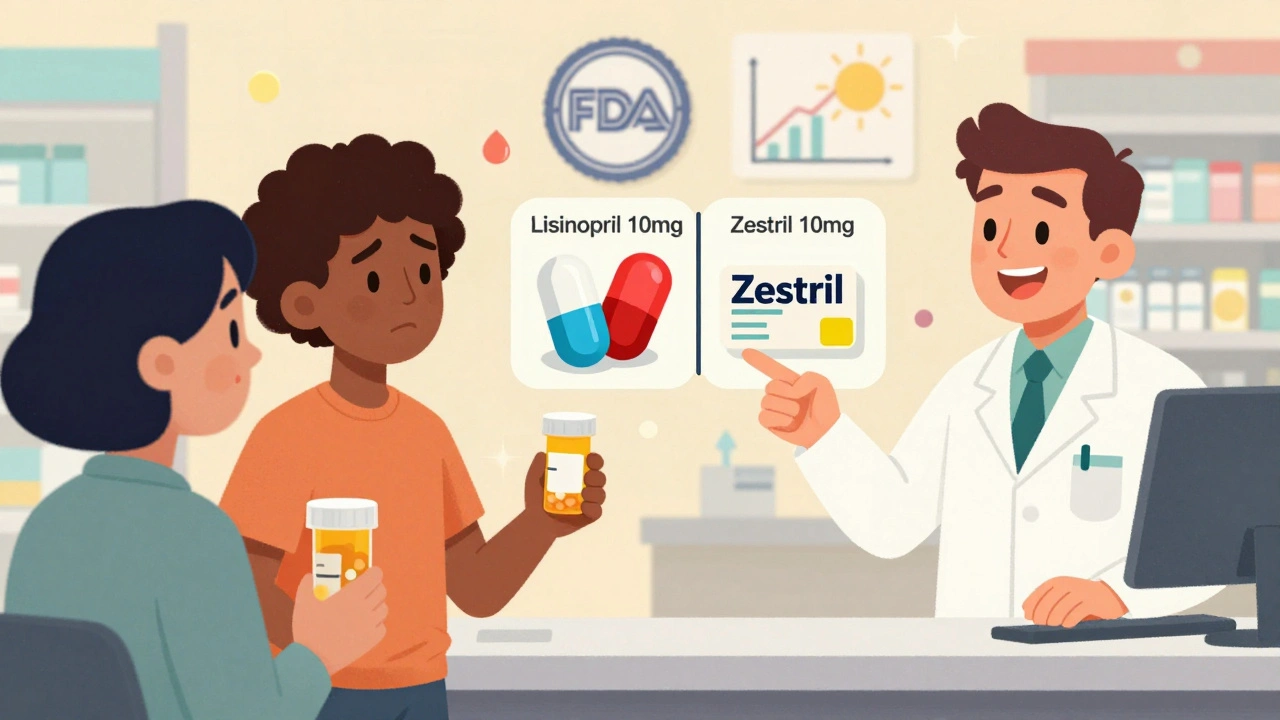
Learn what you need to know when picking up generic medications. Understand therapeutic equivalence, why generics look different, how to spot safe options, and what to ask your pharmacist to ensure your medication works as intended.