
Written by Mark O'Neill
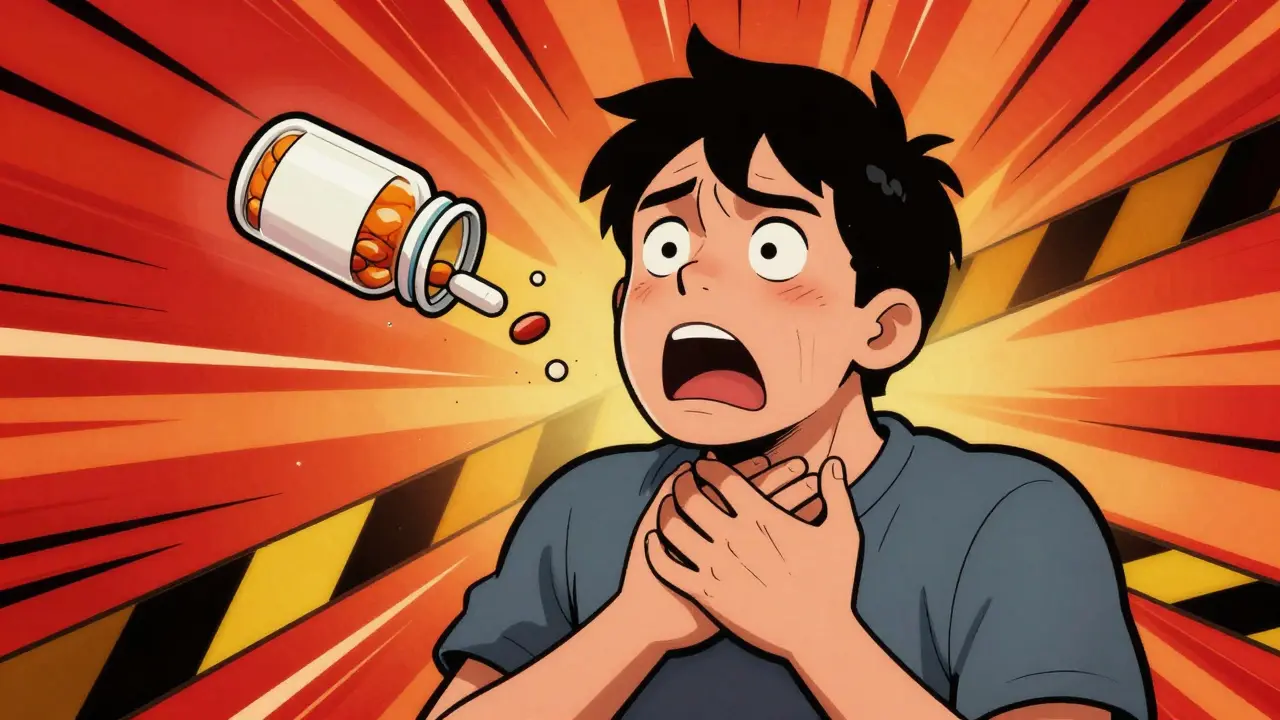
Severe drug reactions can kill in minutes. Learn the warning signs of anaphylaxis, Stevens-Johnson Syndrome, and other life-threatening reactions - and exactly what to do when they happen.
Written by Mark O'Neill
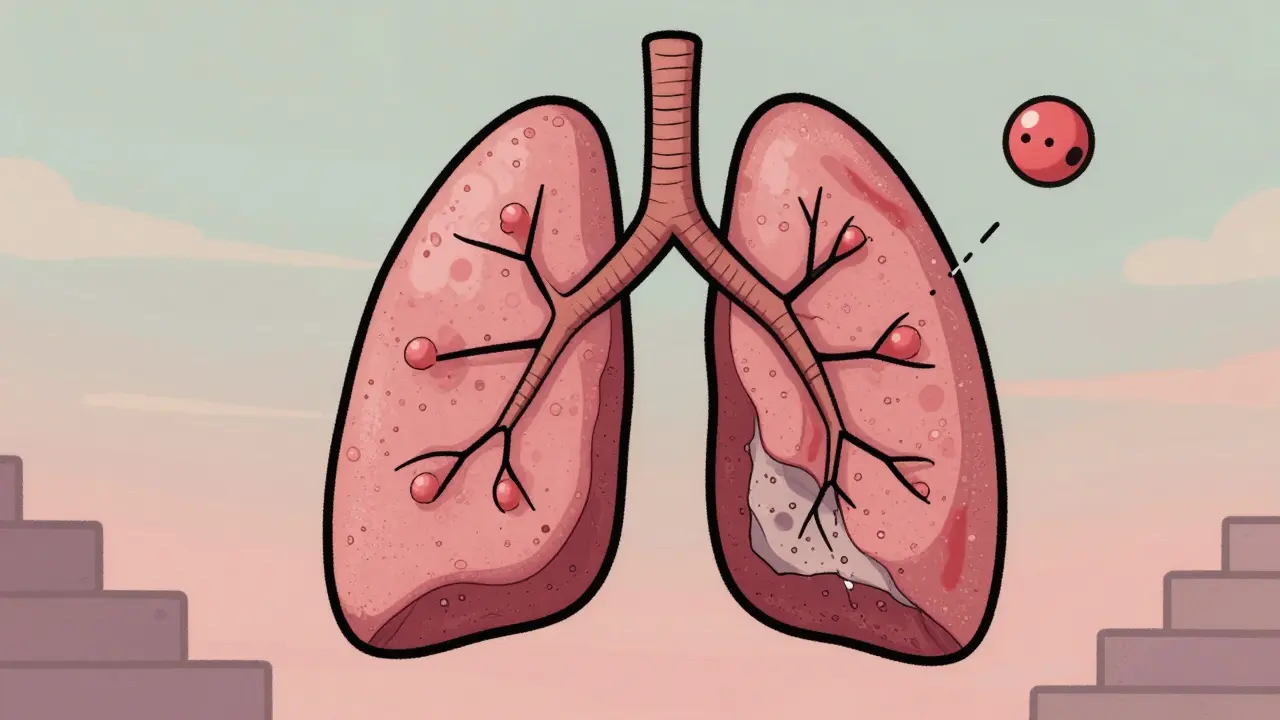
Interstitial lung disease causes progressive lung scarring that makes breathing difficult. Learn about the latest treatments, including antifibrotic drugs, oxygen therapy, and new advances in 2026 that can slow progression and improve quality of life.
Written by Mark O'Neill
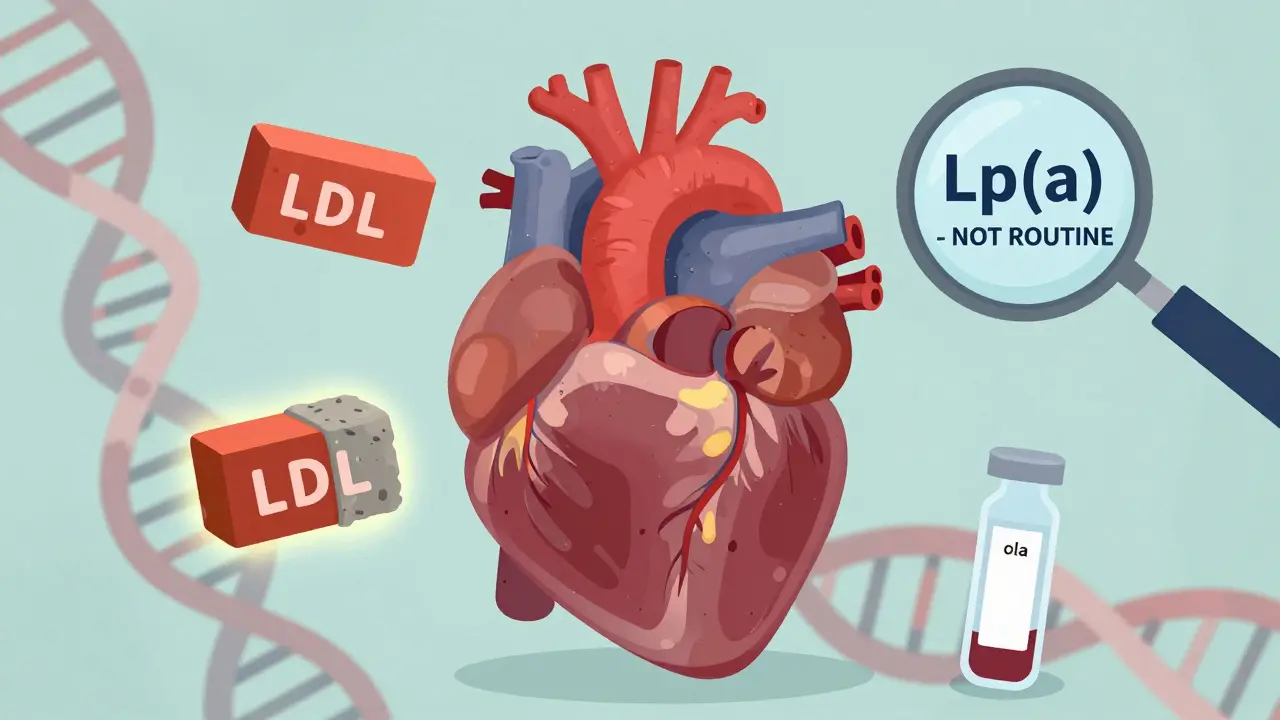
Lipoprotein(a) is a genetic cholesterol risk that doubles your chance of heart attack or stroke - and it's not checked in routine blood tests. Learn who should be tested, why lifestyle changes won't lower it, and what new treatments are coming in 2025.
Written by Mark O'Neill
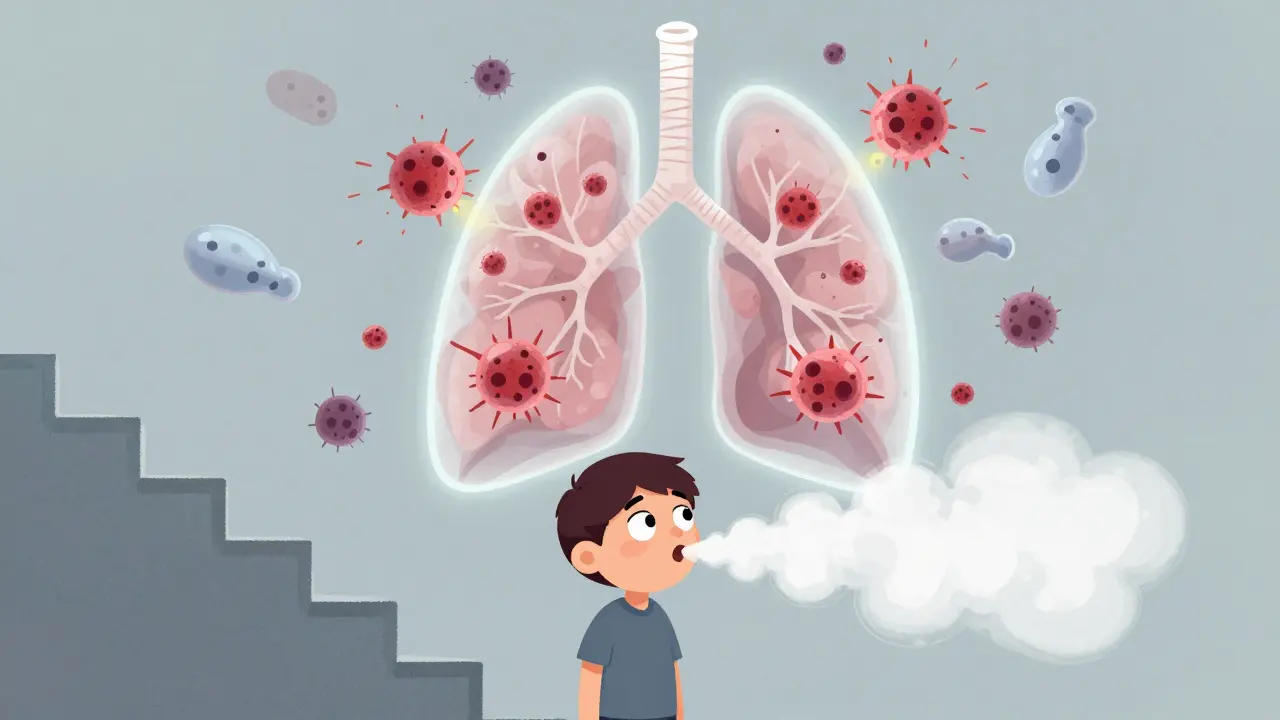
Many people still struggle with breathing after COVID-19, even when scans look normal. Learn what's really happening in the lungs, who's at risk, and how targeted rehabilitation can help you regain strength and function.

Written by Mark O'Neill
Impetigo and cellulitis are common bacterial skin infections with different causes, symptoms, and treatments. Learn how to tell them apart and which antibiotics actually work - and when to see a doctor.

Written by Mark O'Neill
Home health services for medication management help seniors take the right pills at the right time, prevent dangerous interactions, and avoid hospital visits. Learn how these services work, who qualifies, and what tools make the biggest difference.
Written by Mark O'Neill
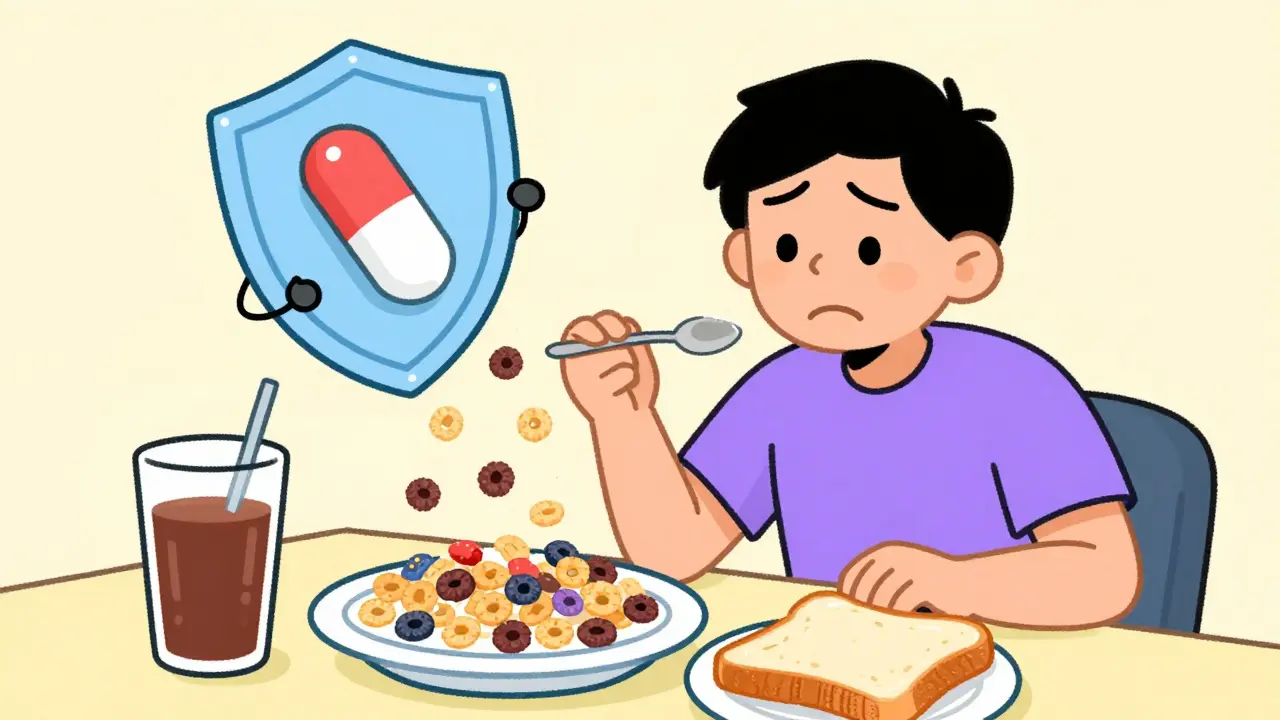
Sugar intake directly affects how well your diabetes medications work. Learn which foods sabotage metformin and other drugs, what to eat instead, and how diet changes can improve your blood sugar control faster than medication alone.
Written by Mark O'Neill
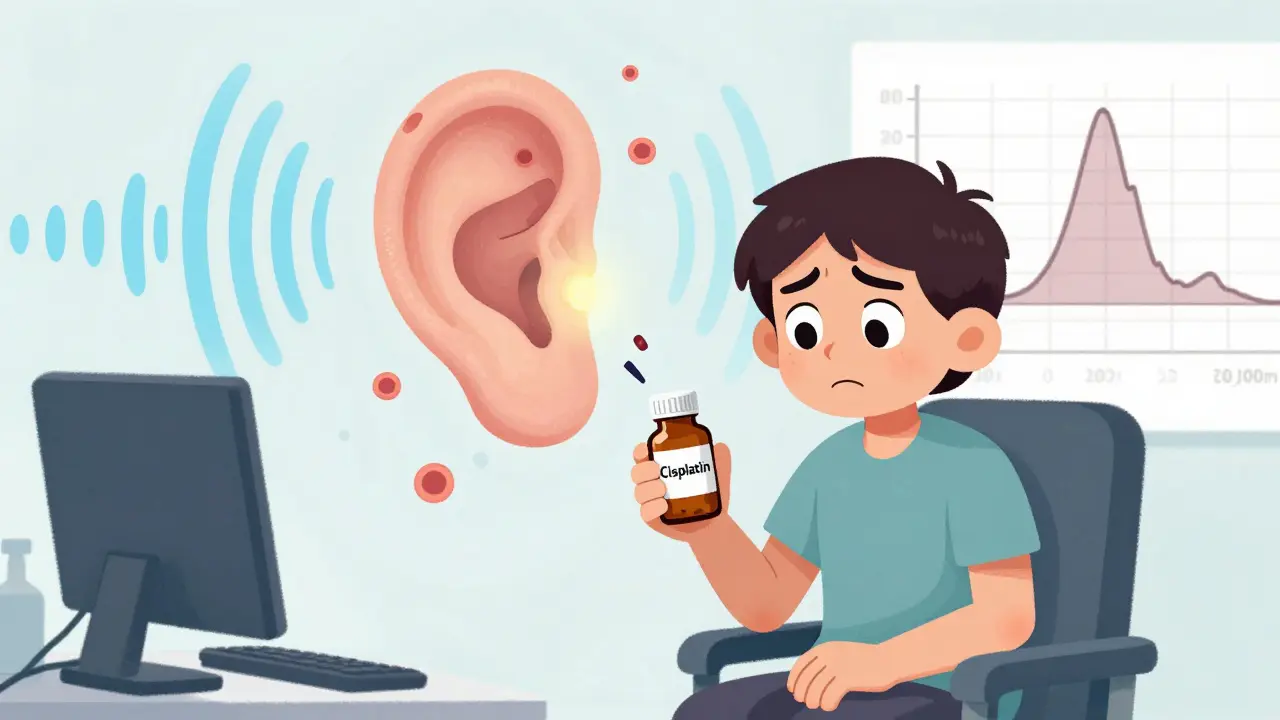
Ototoxic medications like cisplatin and gentamicin can cause permanent hearing loss. Learn which drugs are most dangerous, how to spot early signs, and why standard hearing tests often miss the damage-plus what you can do to protect your hearing.
Written by Mark O'Neill
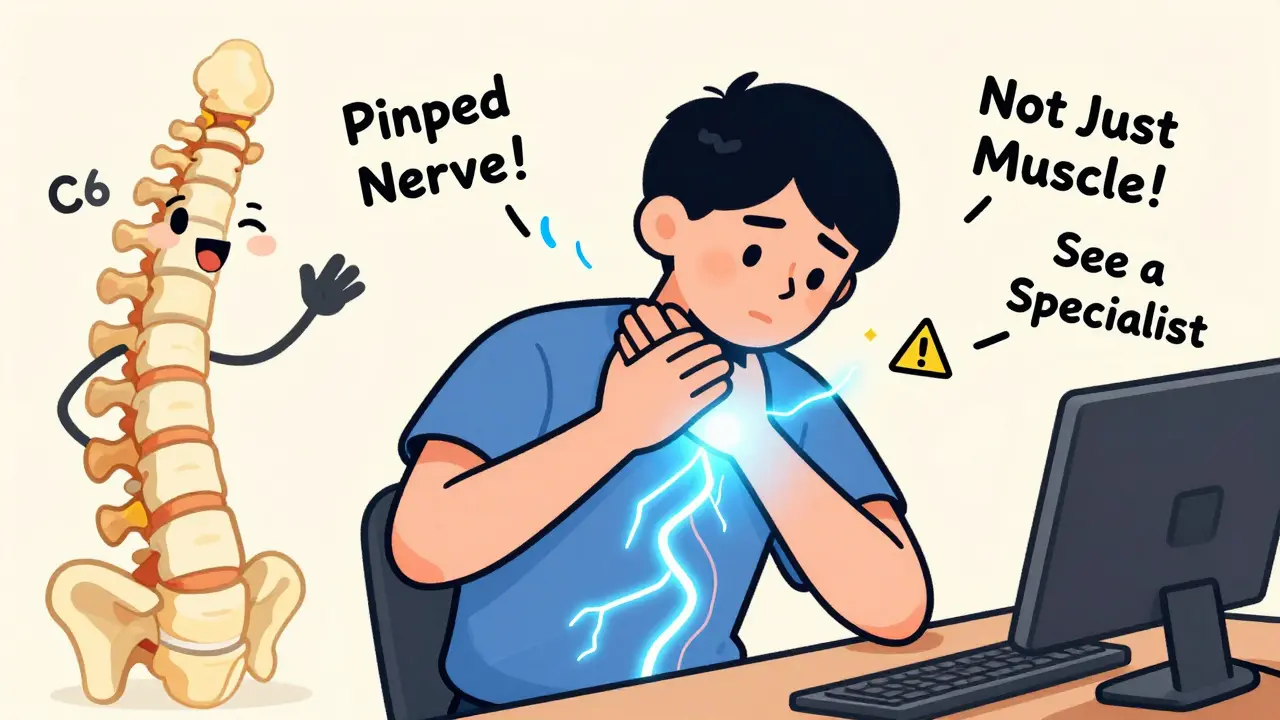
Cervical and lumbar radiculopathy cause nerve pain that shoots into arms or legs. Most cases improve with conservative rehab-physical therapy, posture changes, and consistent exercises. Learn what works, what doesn’t, and how to avoid setbacks.
Written by Mark O'Neill
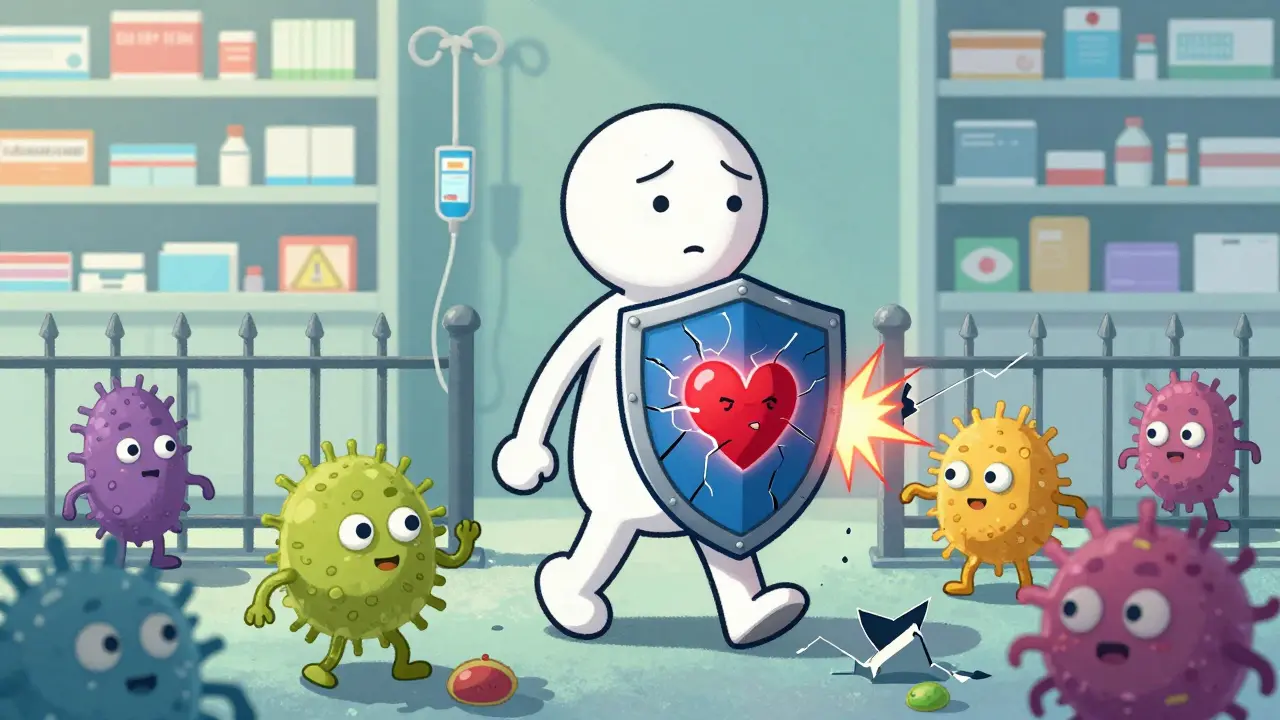
Probiotics can be dangerous for people on immunosuppressants, risking life-threatening infections. Learn who’s at risk, which strains to avoid, and what safer alternatives exist.